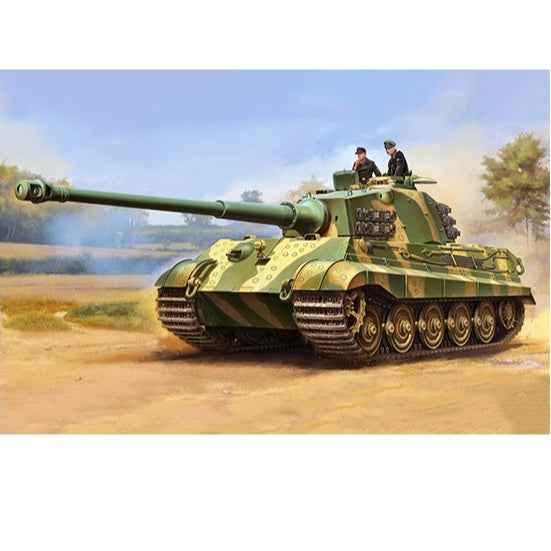
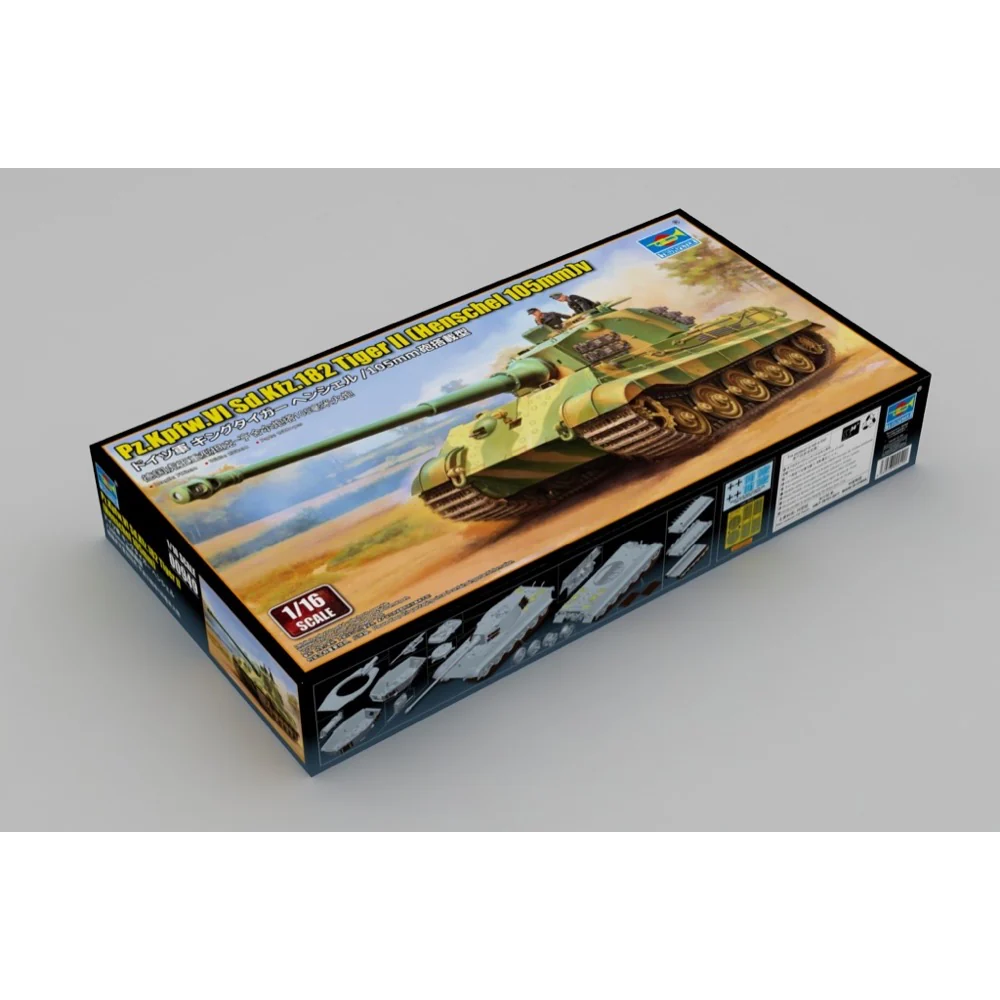
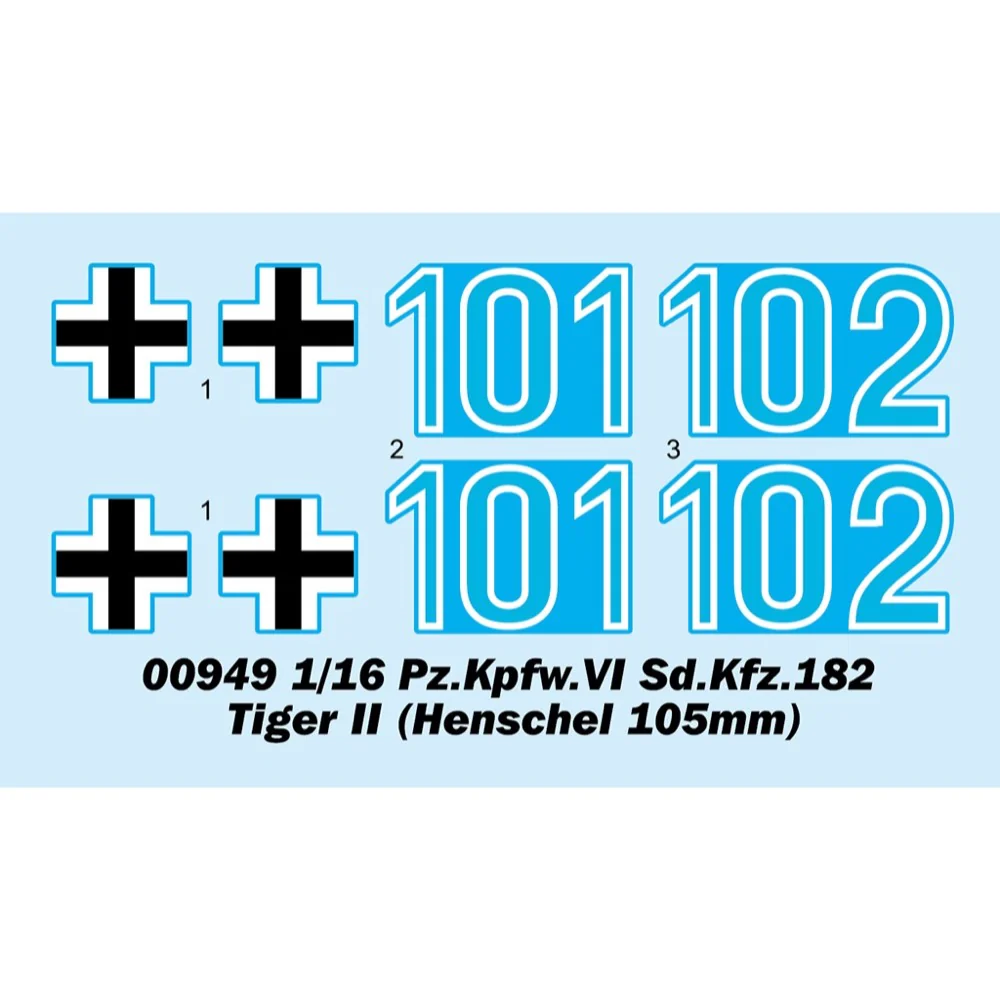
Trumpeter 1/16 Pz.Kpfw.VI Sd.Kfz.182 Tiger II (Henschel 105mm) Plastic Model Kit
In early October 1942, a development plan for the VK 45.03 was released, with two companies submitting their designs: Henschel and Porsche. Both used turret designs from Krupp, with the main differences being in the hull, transmission system, and suspension.
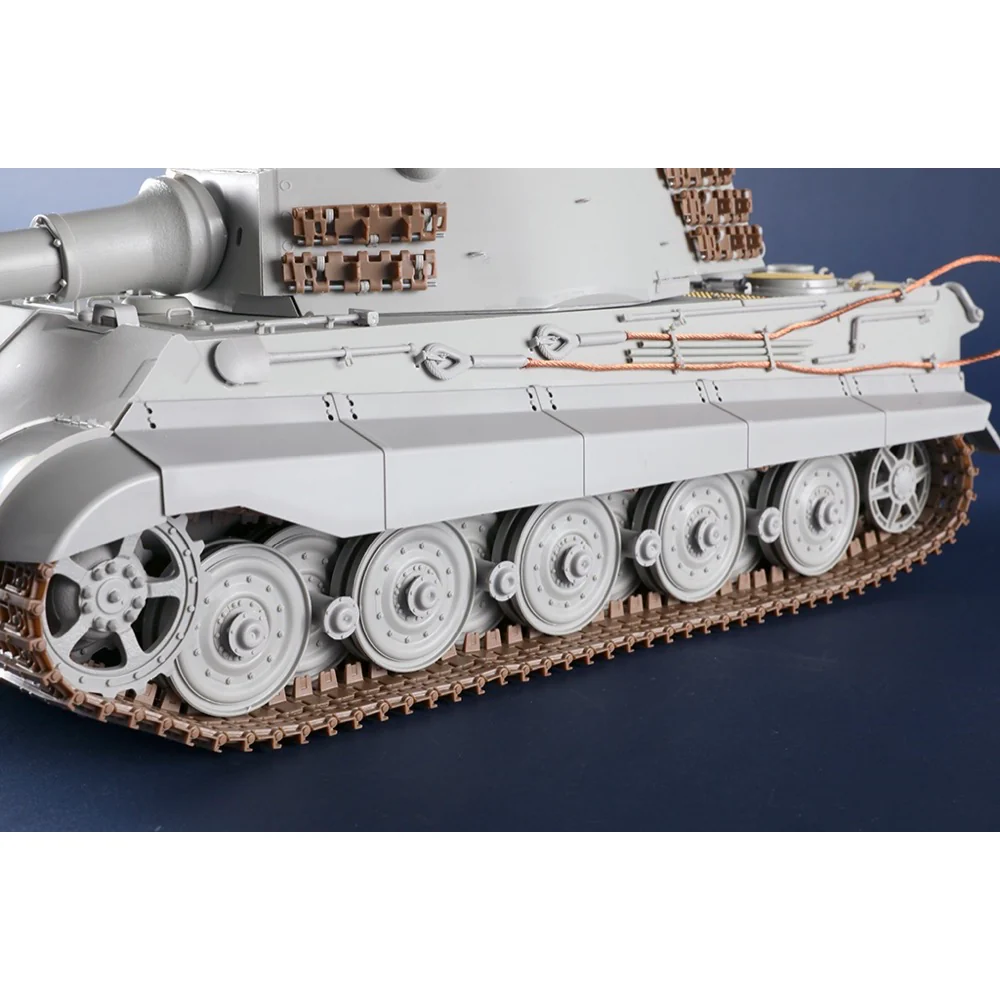
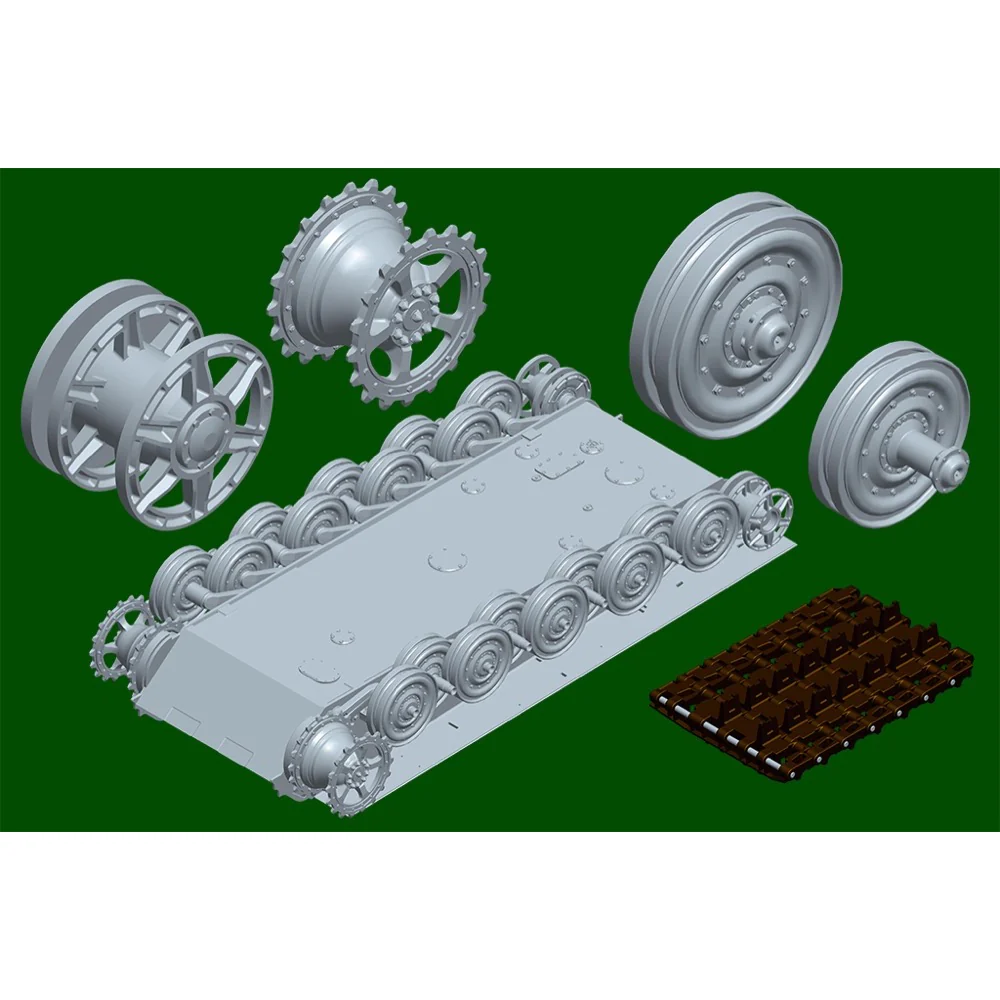
Henschel's version used a conventional hull design, with sloped armor similar to the Panther tank. The engine was rear-mounted, and like the Tiger I tank, it had nine staggered road wheels on each side, mounted on transverse torsion bars. To simplify logistics and maintenance, the wheels were overlapped in the same way as the Tiger I tank.
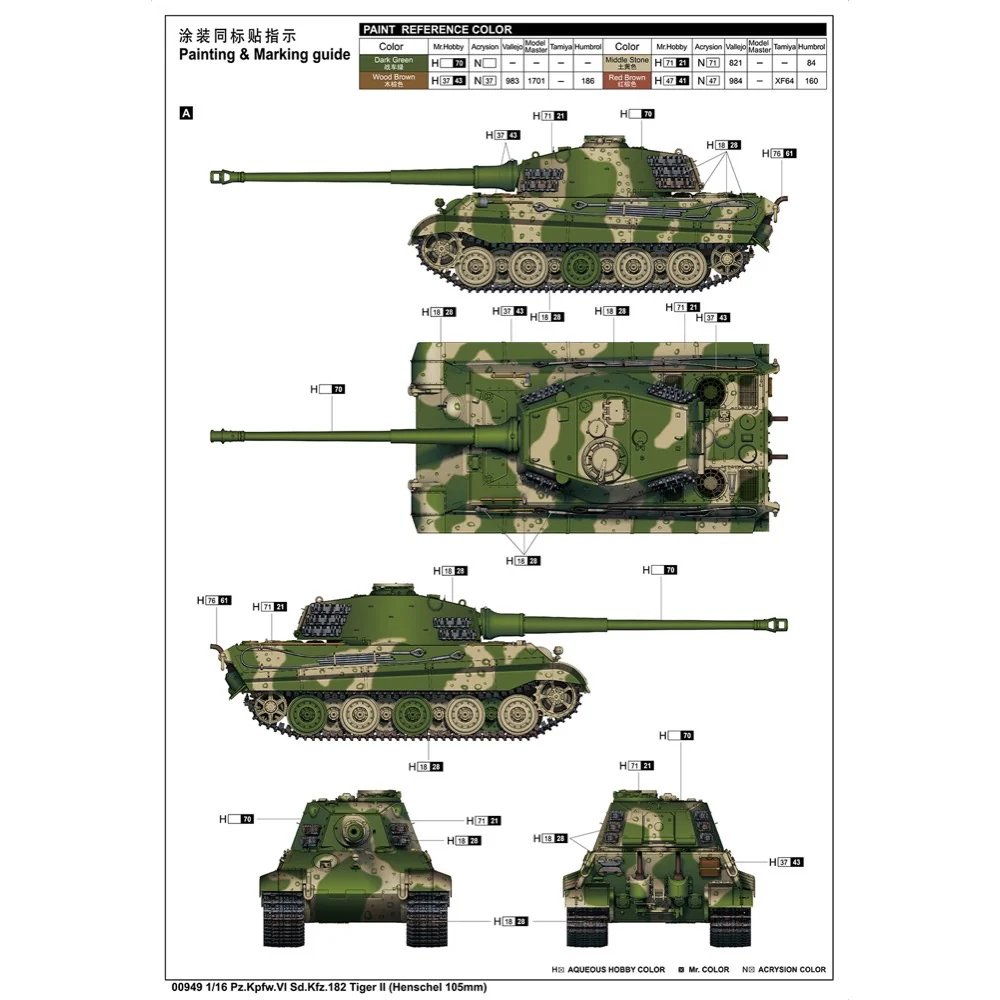
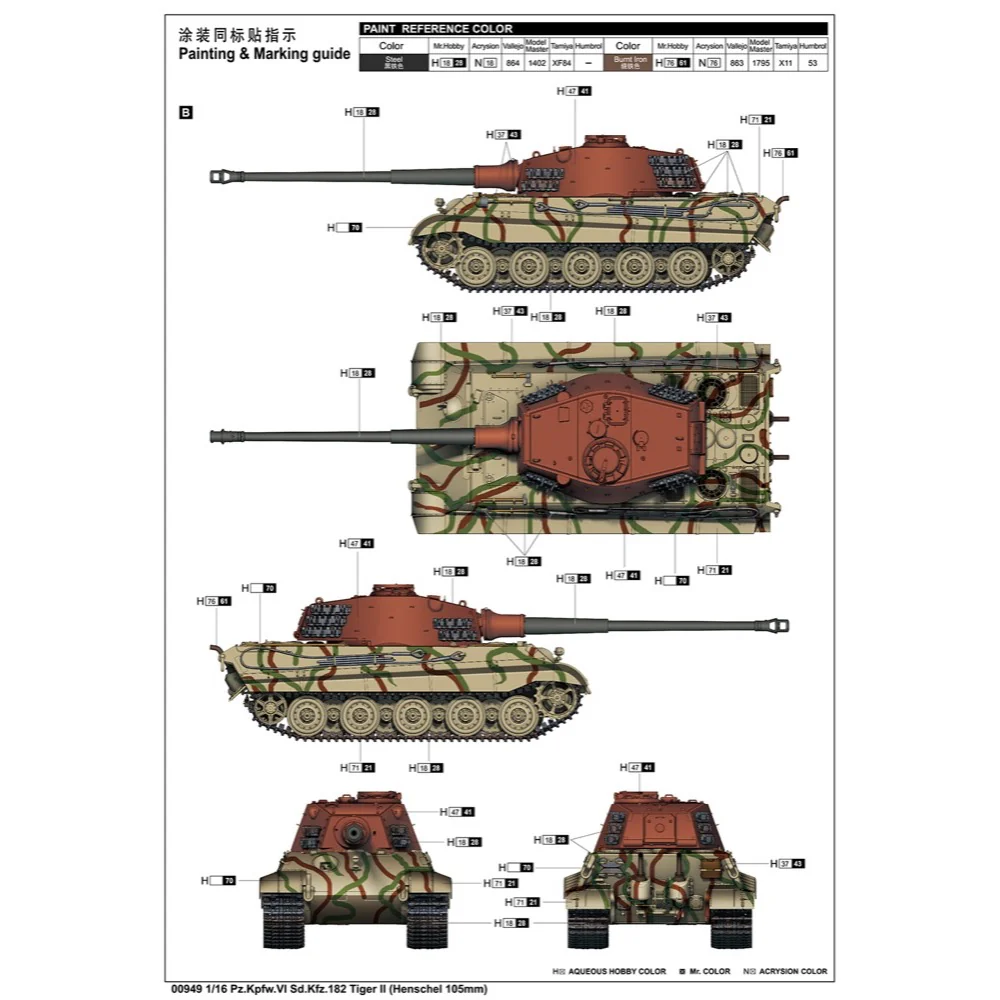
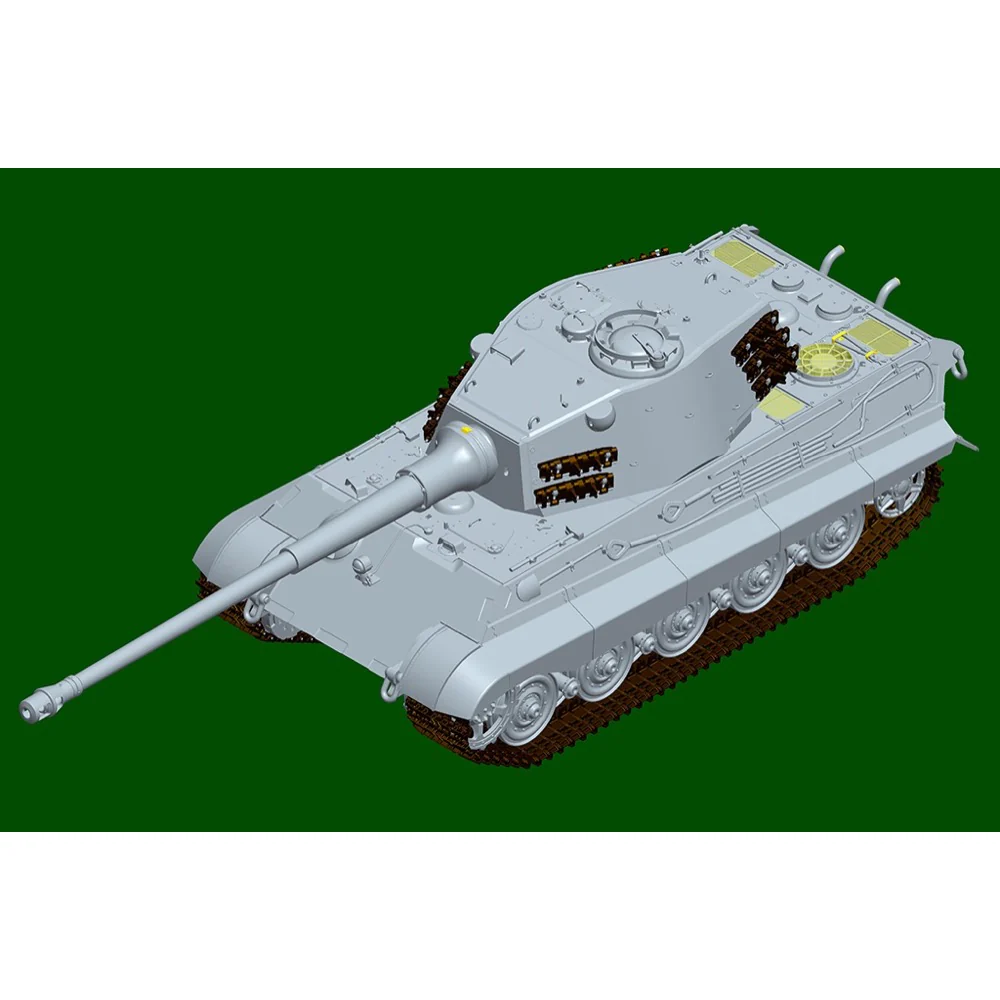
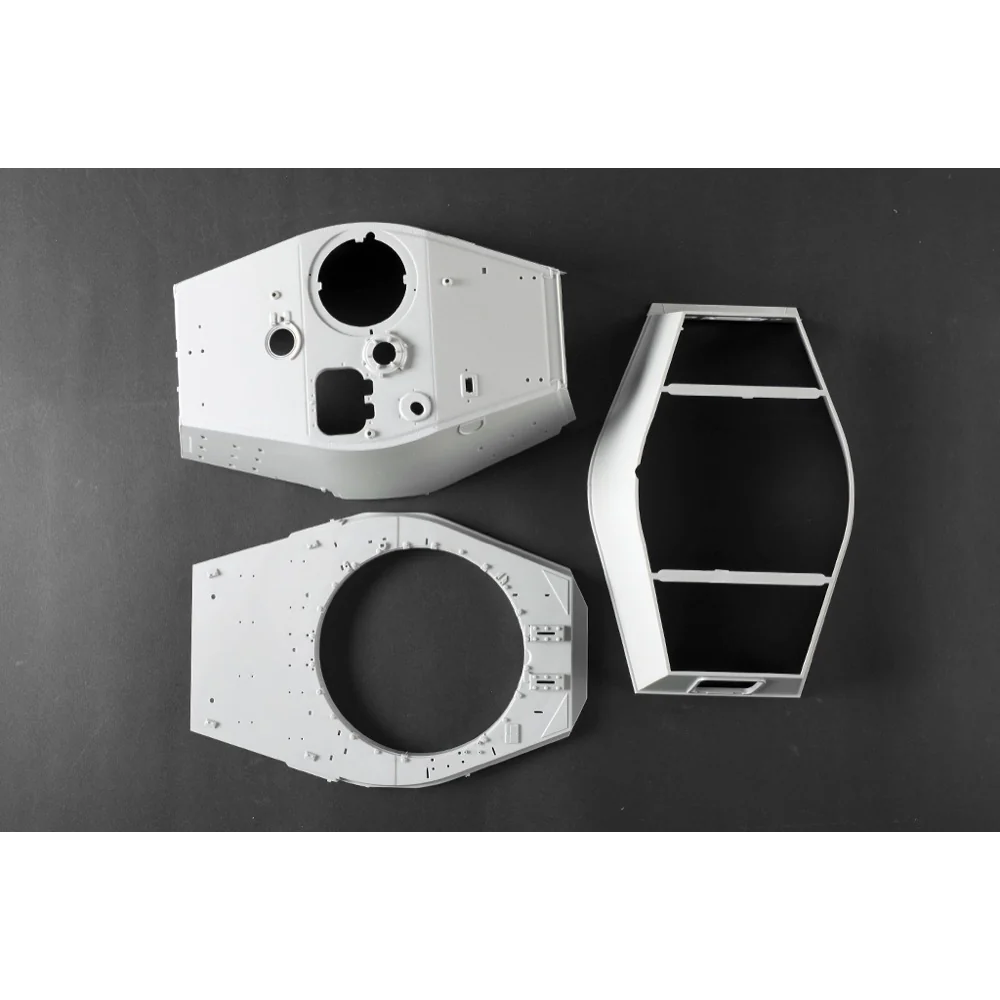
Henschel ultimately won the contract, and all Tiger II tanks were produced by the company. The vehicle had two turret designs. The early model's turret, because it was first installed on a Porsche concept vehicle, is often referred to as the "Porsche turret." In fact, this is a misconception; this turret was simply one of two initial Krupp designs. This turret had a rounded front and a significant slope on both sides. To accommodate the commander's cupola, there was a curved protrusion on the left side of the turret, making production very difficult. Fifty vehicles were fitted with this turret on Henschel-produced hulls. The later, more common "production" turret, sometimes called the "Henschel" turret, had a flat front without a shell loading opening (previously used on the earlier curved turret). The less sloped turret could perfectly accommodate the commander's cupola, and the edge protrusion was no longer needed.
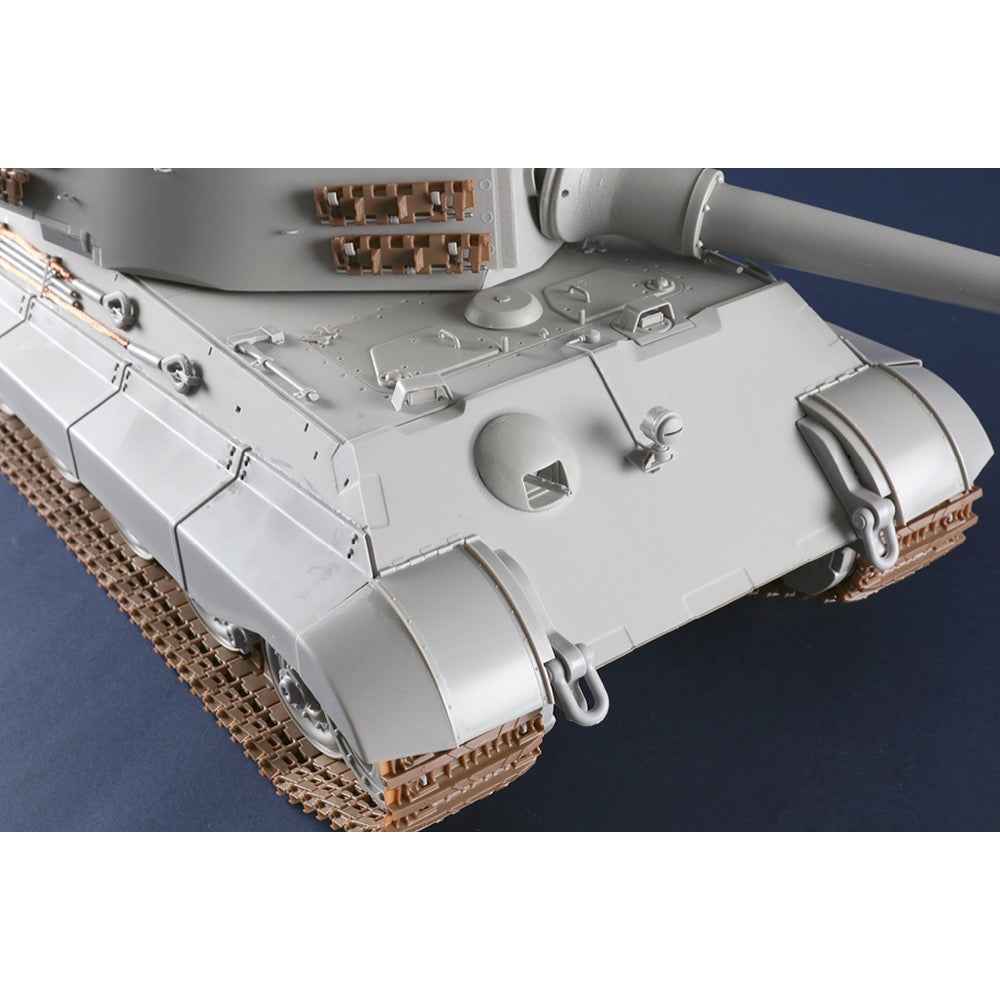
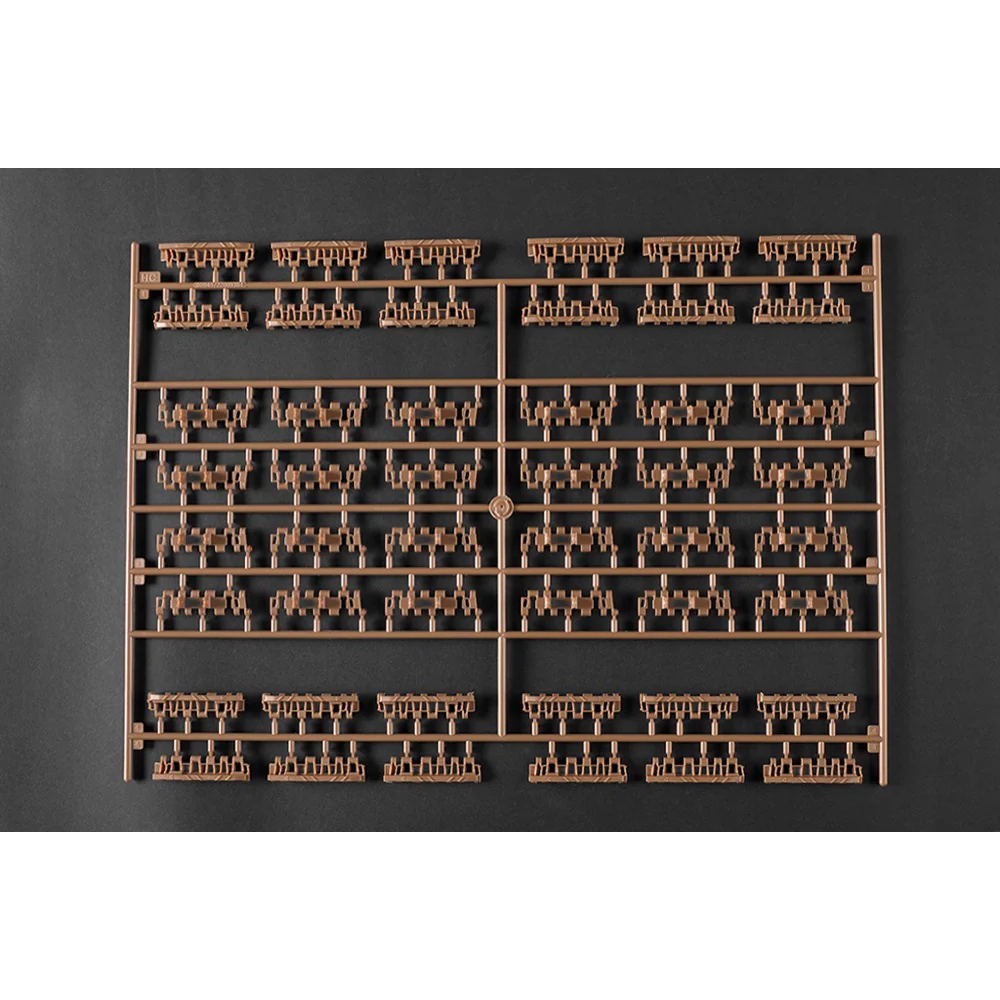
The track system used in the "Tiger King" chassis is quite unique, using alternating track plates with guide teeth and track plates without guide teeth (also known as the "male and female" design). When the track grip is insufficient, anti-slip teeth can also be used.
The Tiger II tank arrived late in the war and was produced in very limited numbers. Like other German tanks, it used a gasoline engine. However, while the same engine was barely adequate for the lighter Panther and Tiger I tanks, it was somewhat inadequate for the Tiger II, a situation similar to that of other heavy tanks in World War II. Furthermore, its high fuel consumption resulted in a short driving range.
Features
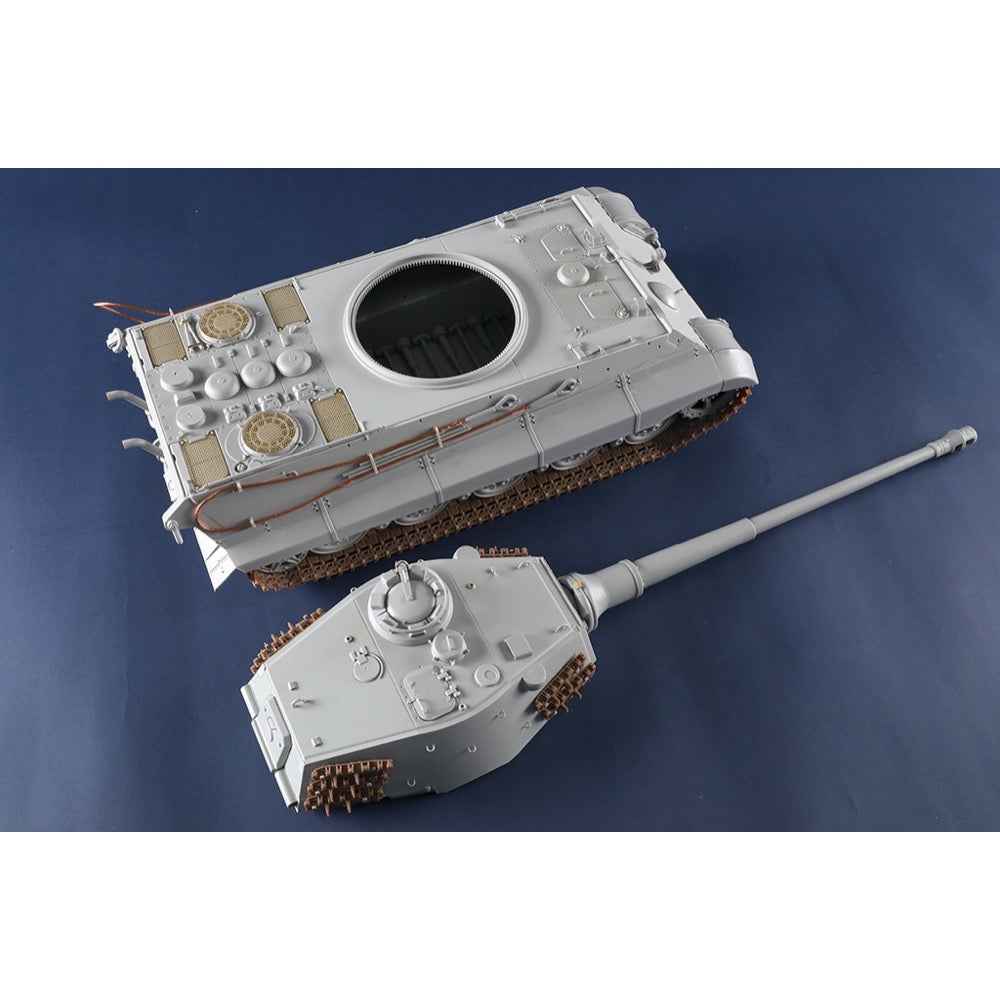
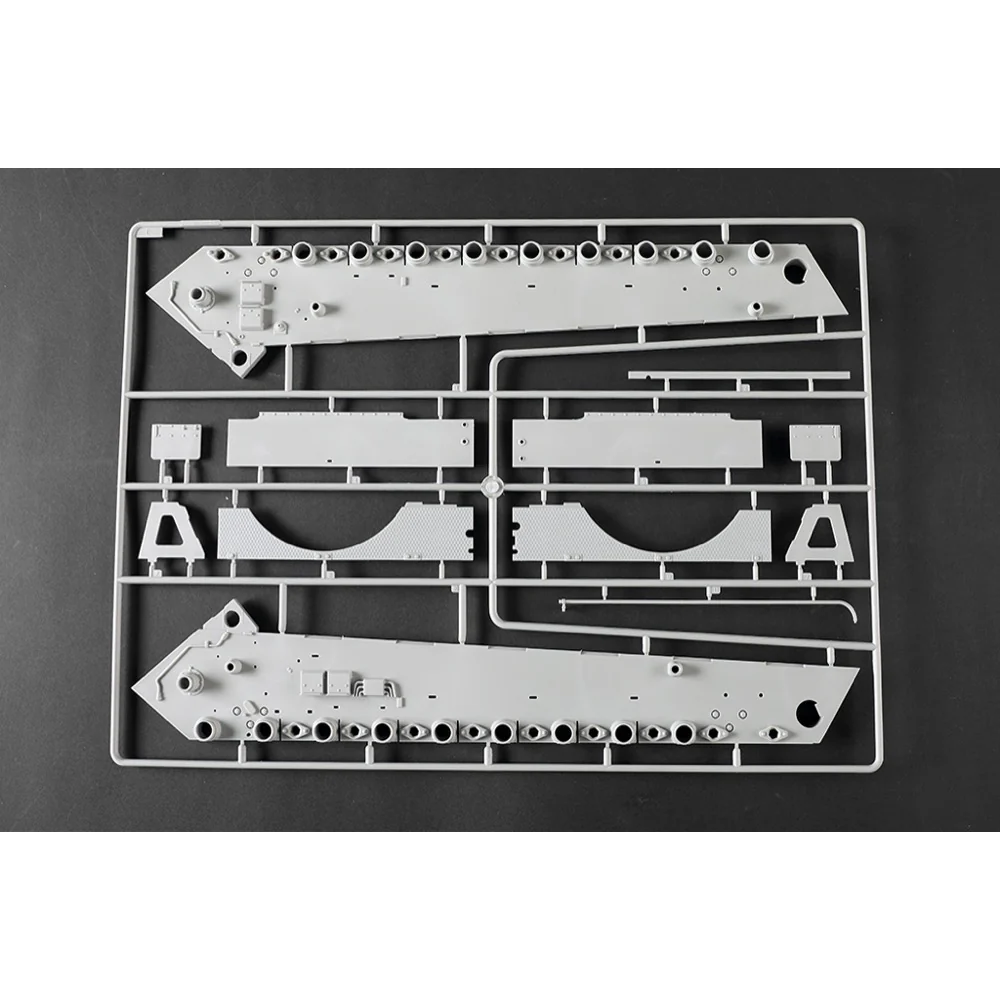
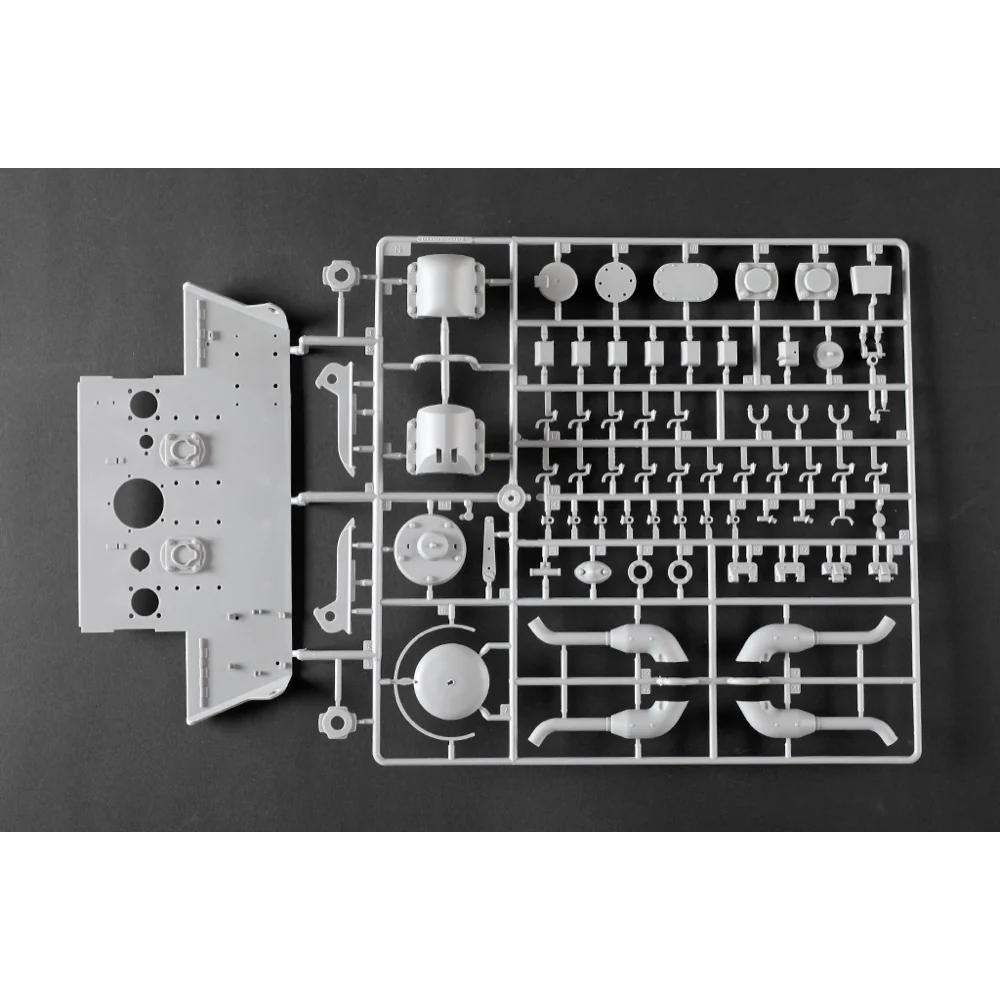
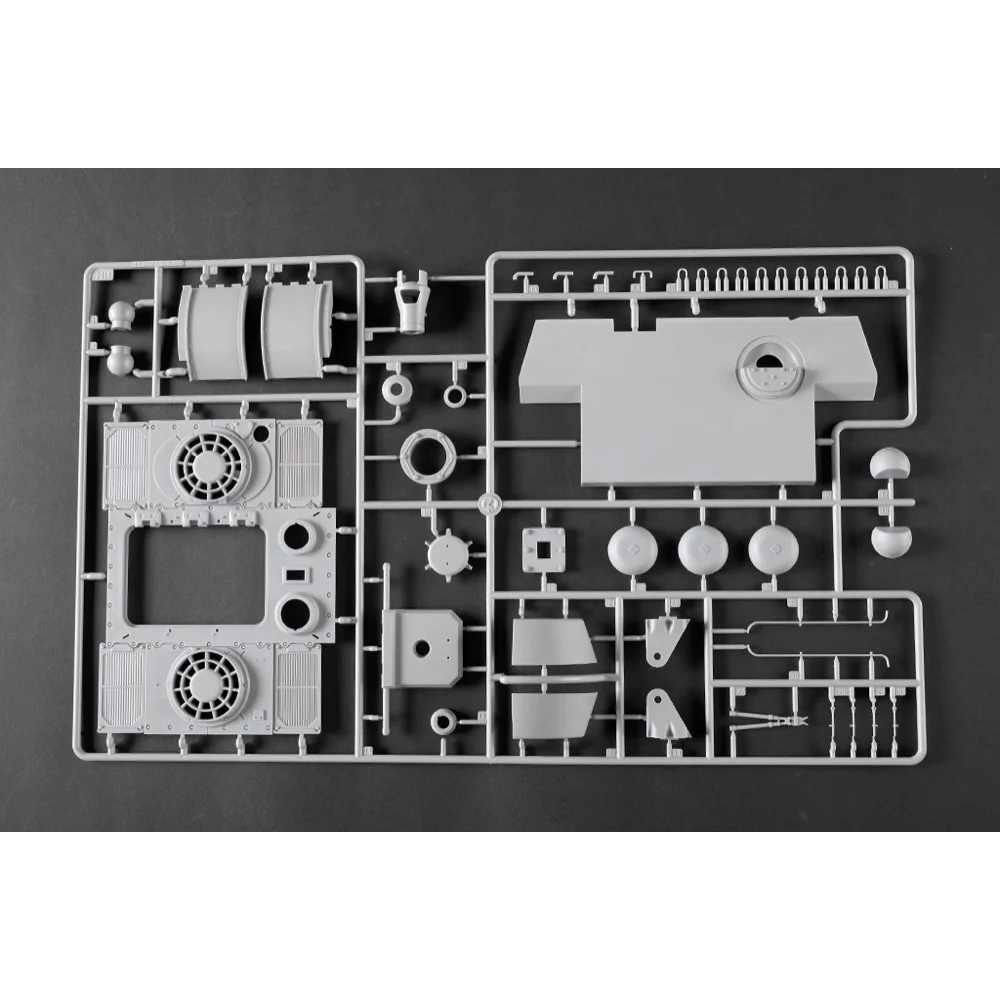
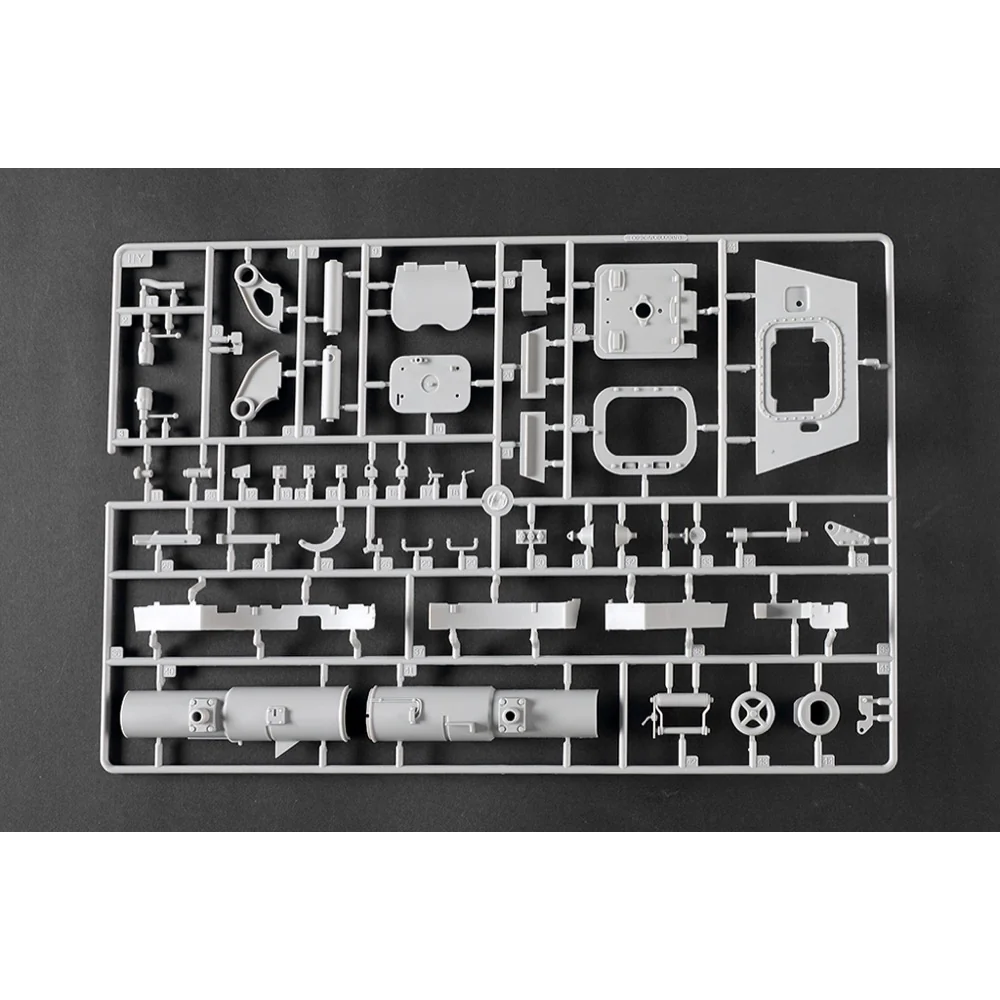
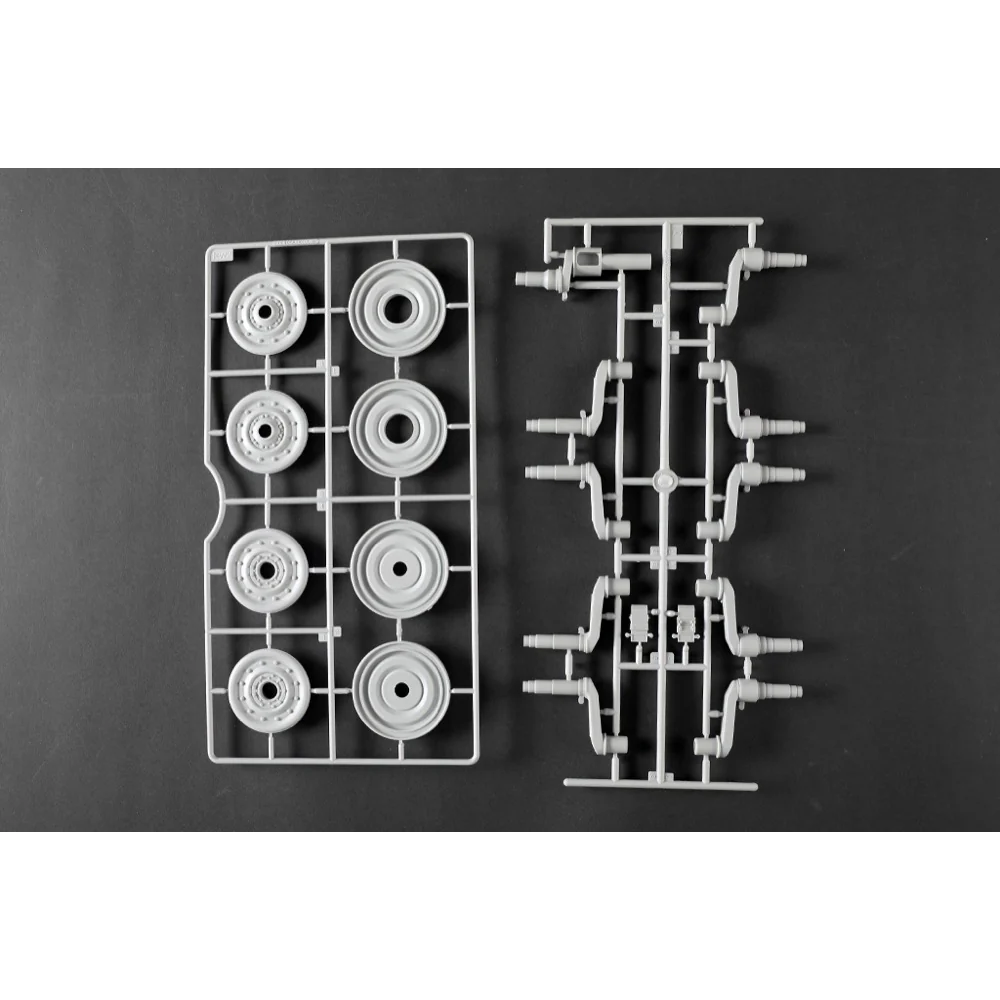
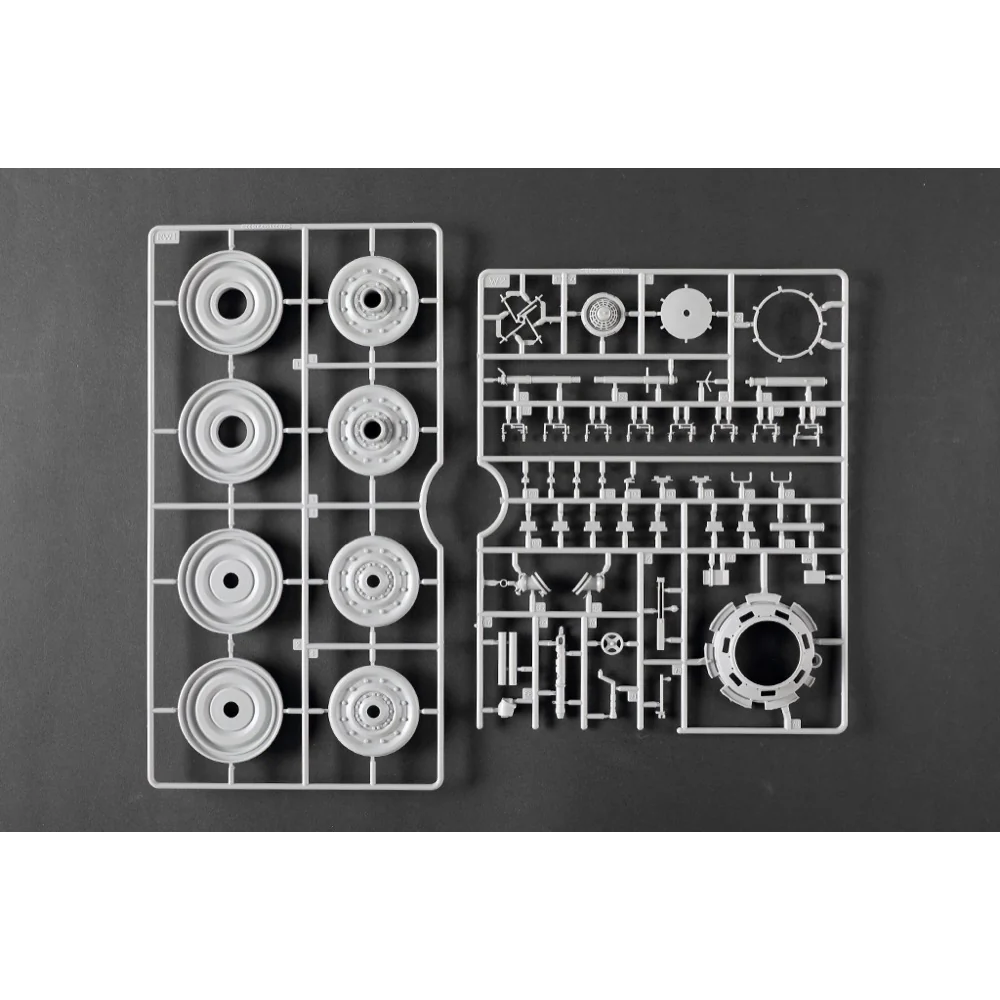
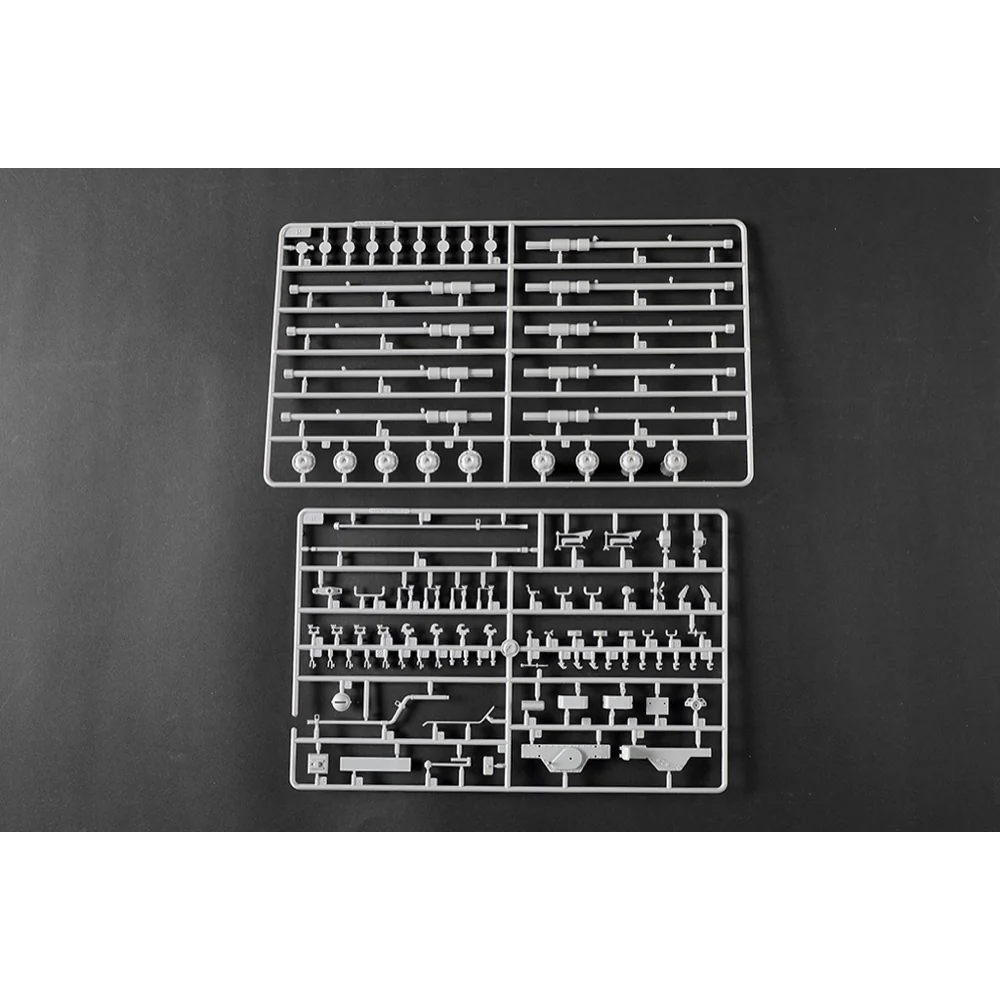
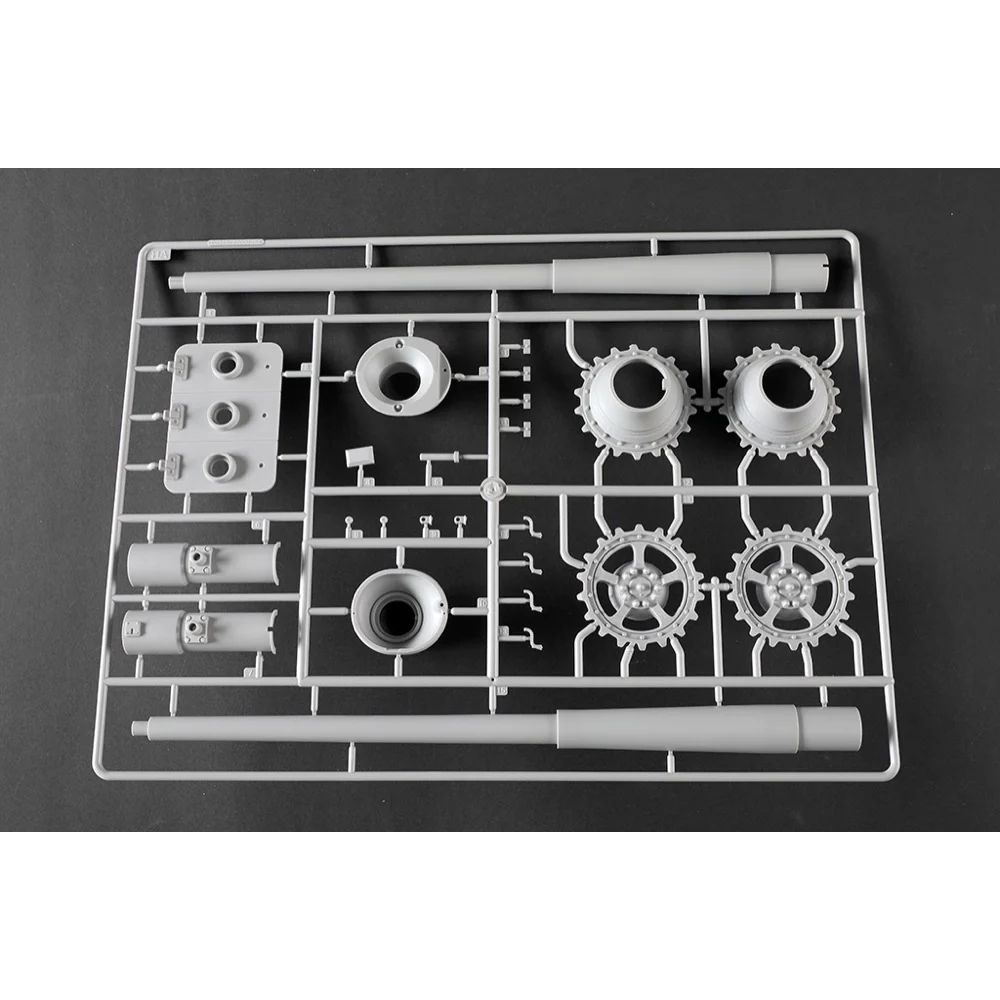
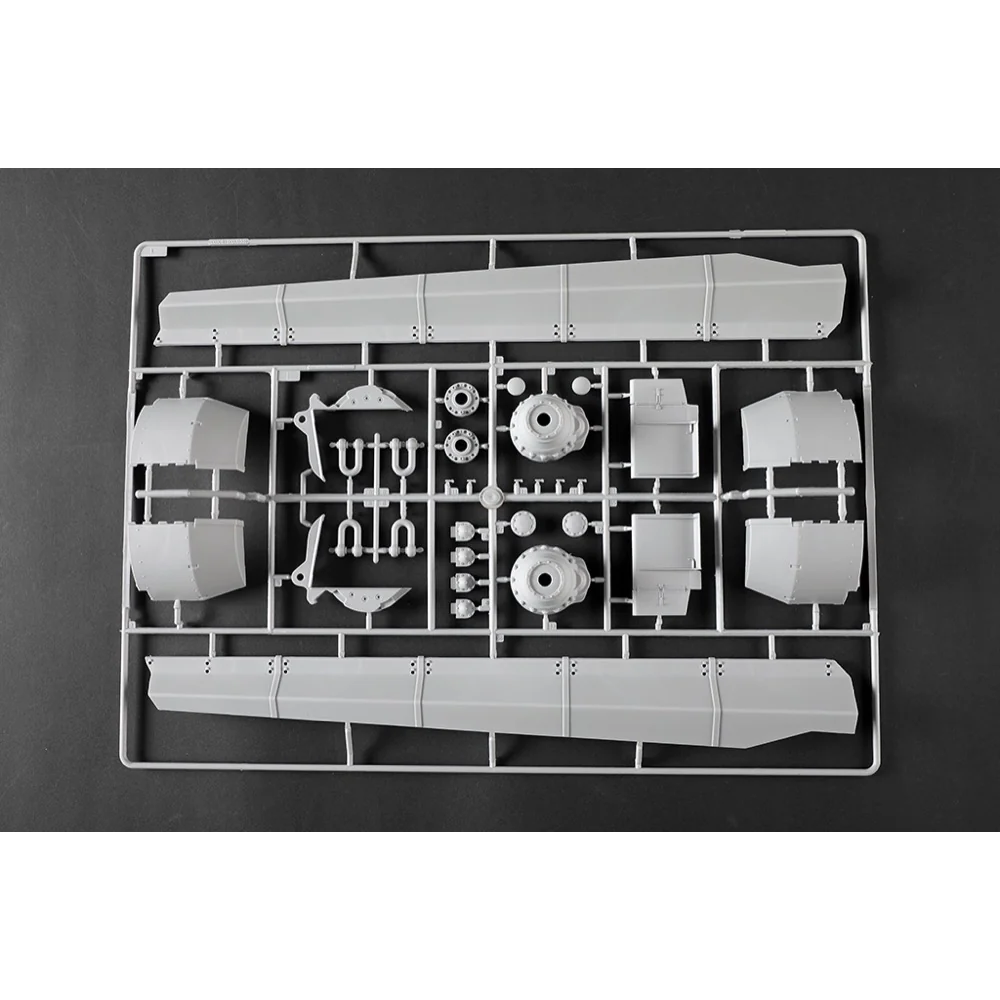
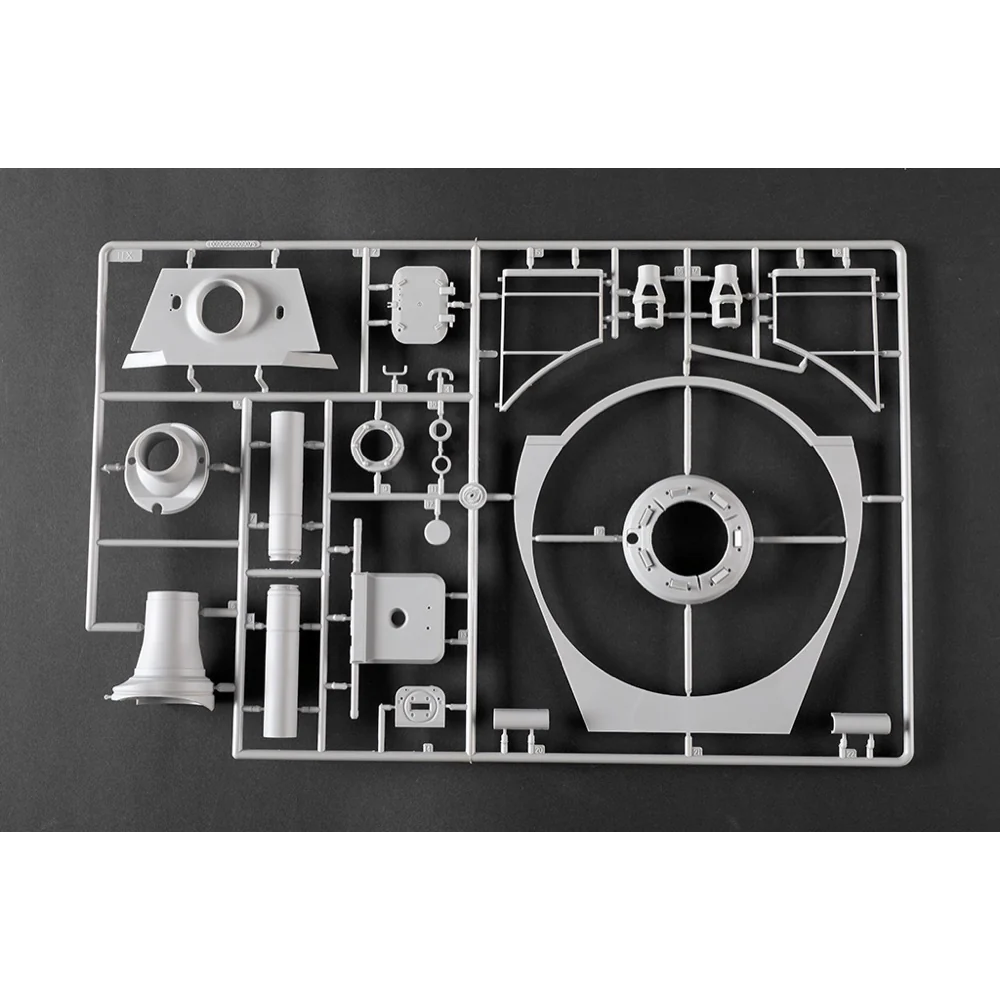
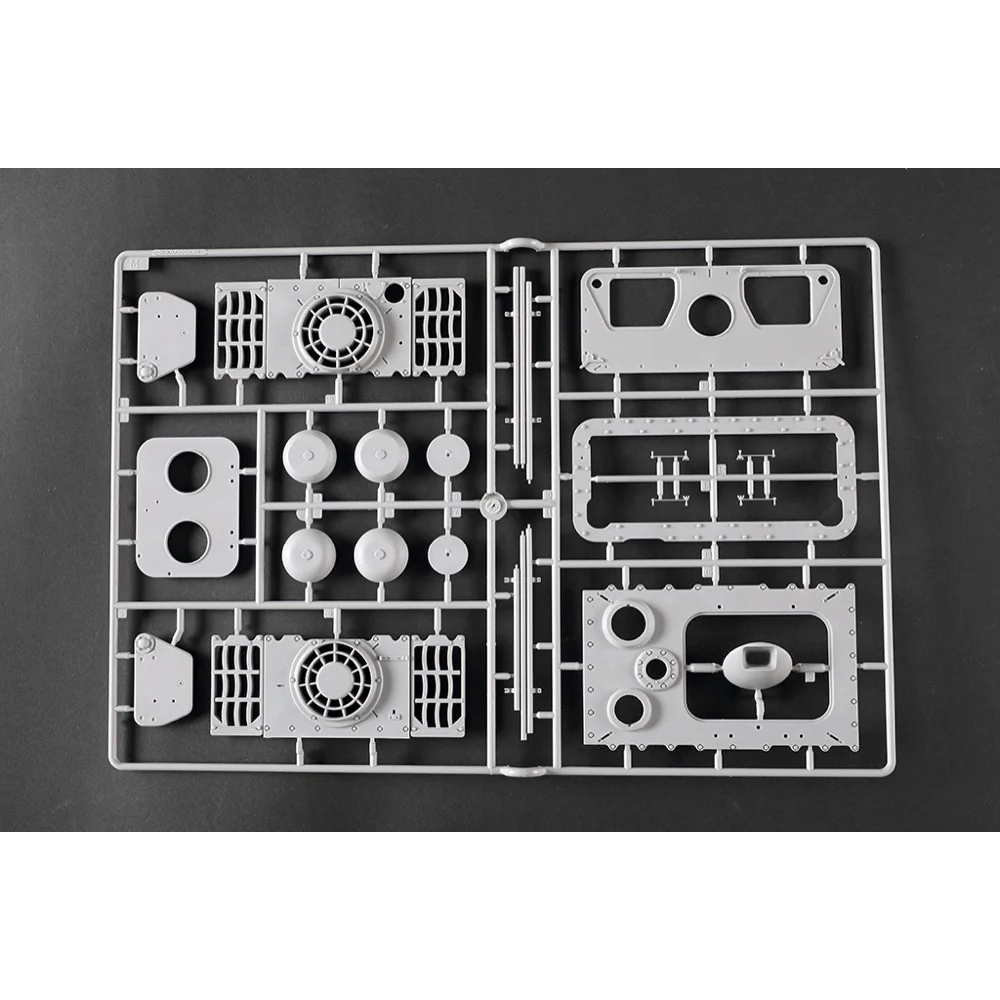
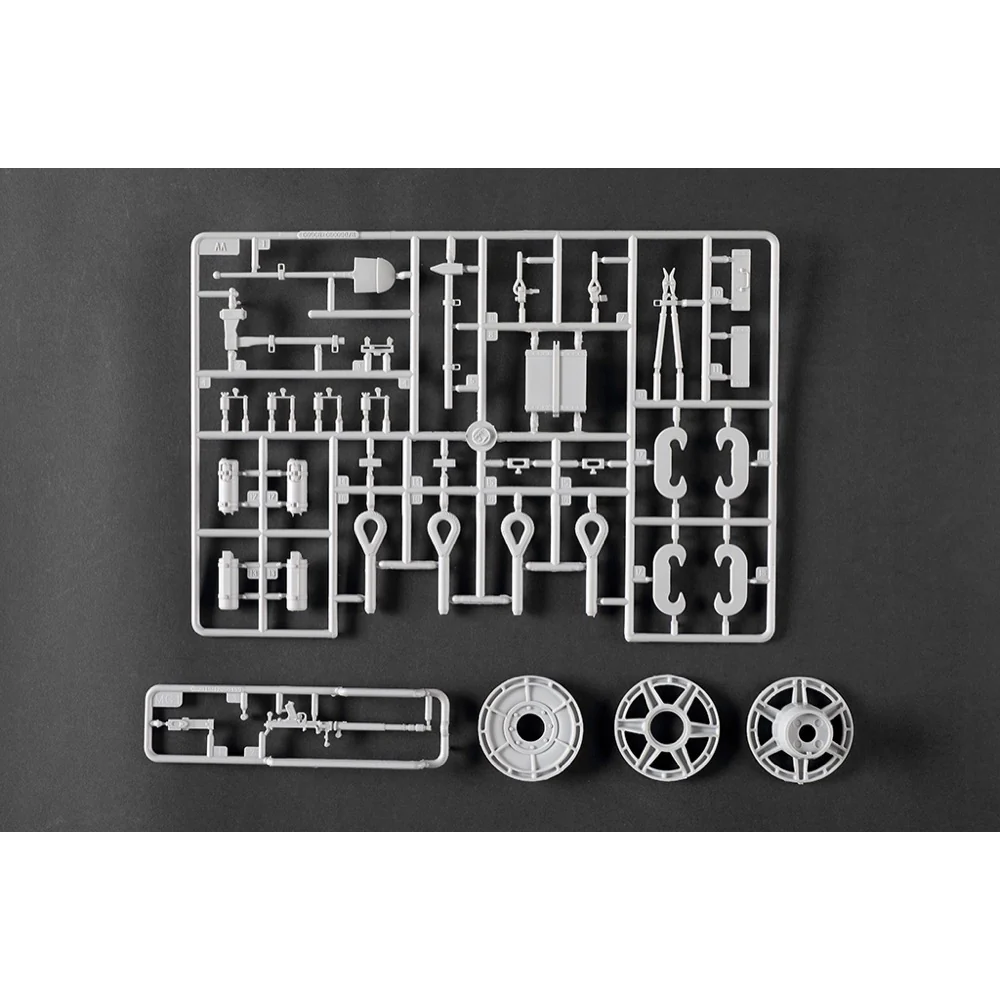
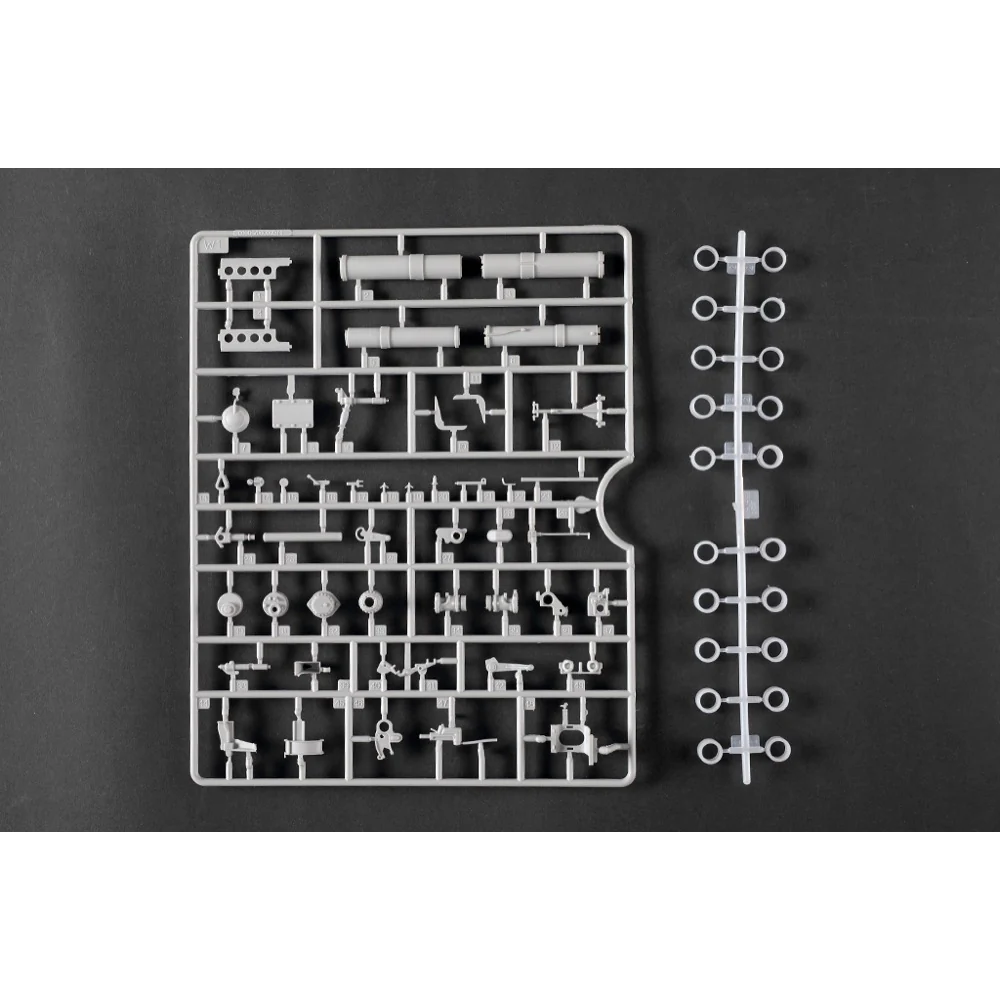
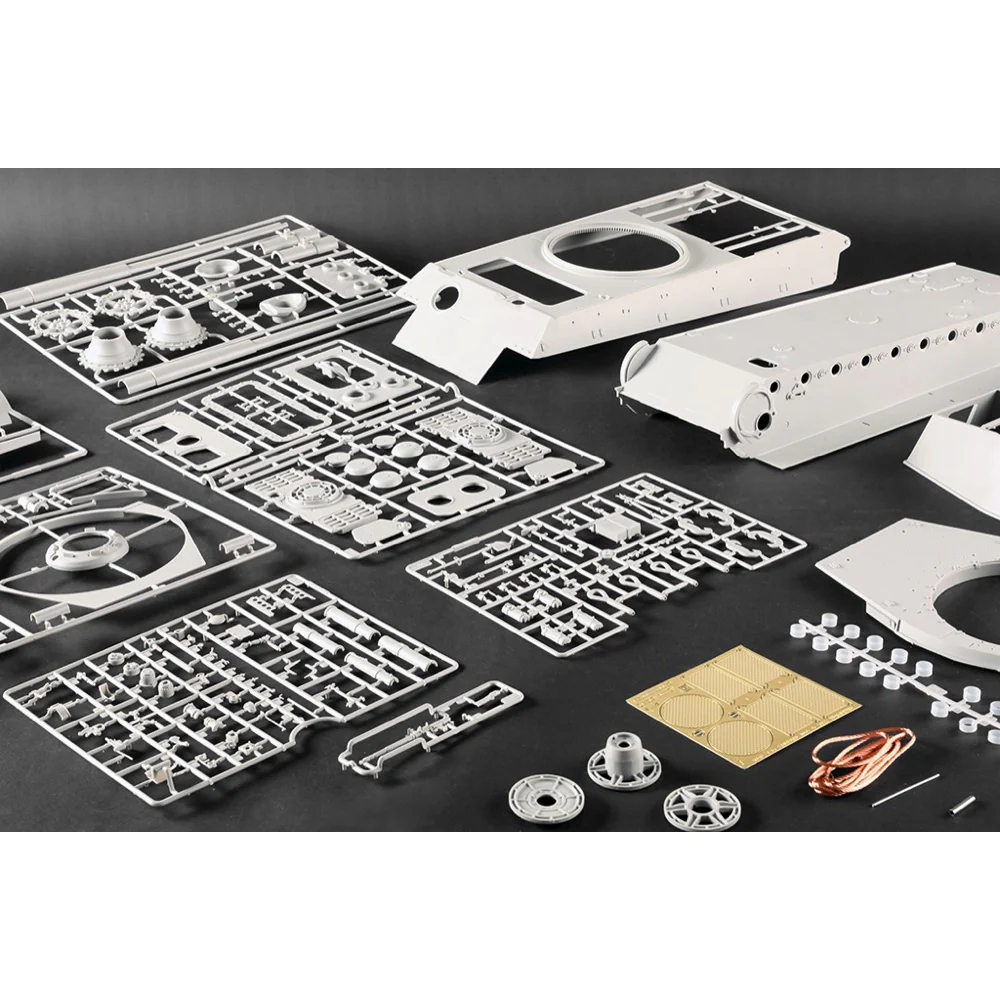
- The kit consists of over 1500 parts
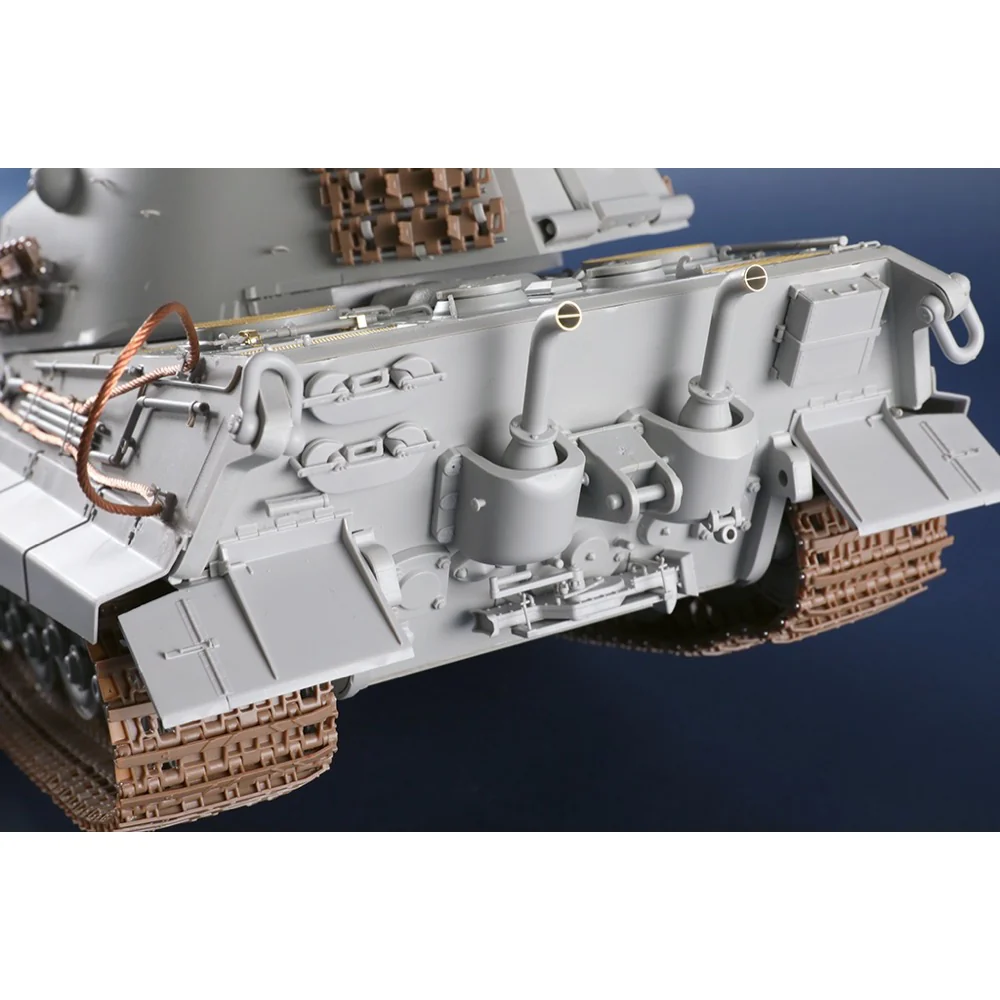
- the kit w/refined detail
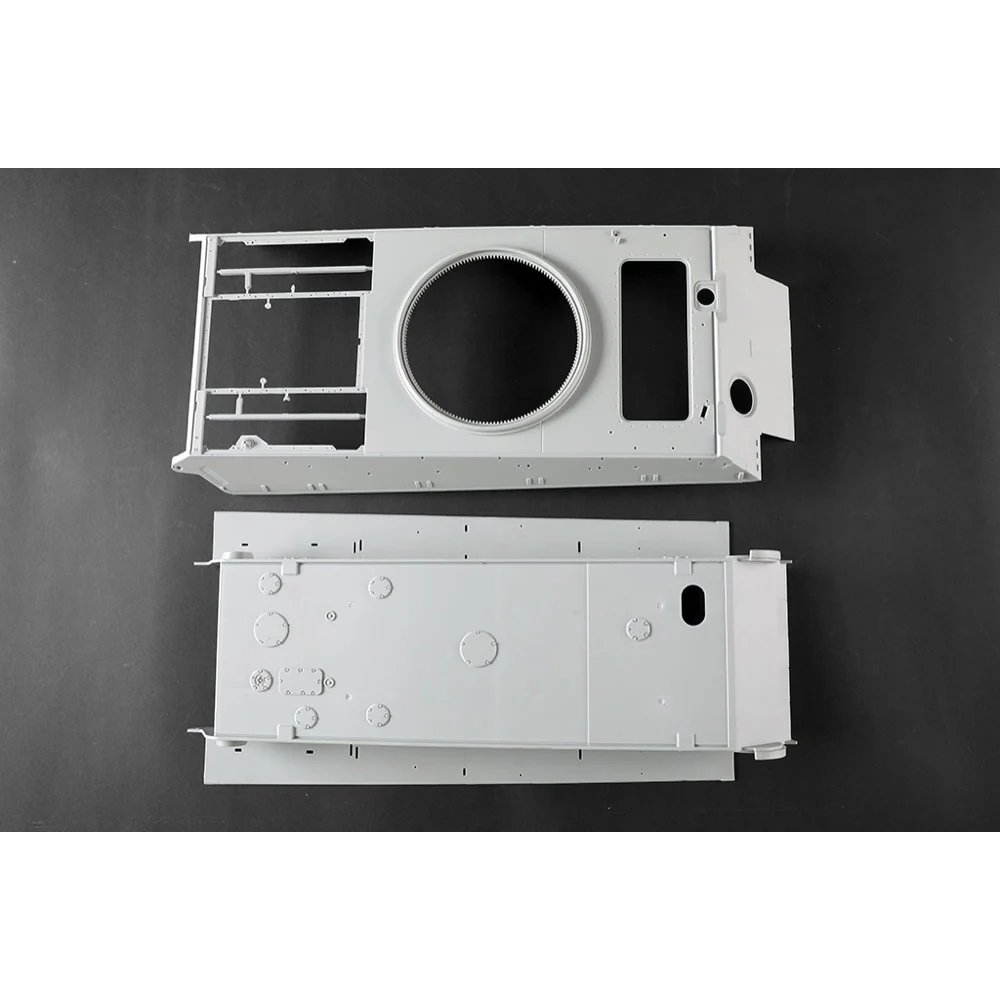
- multi-slide molded lower hull and upper hull
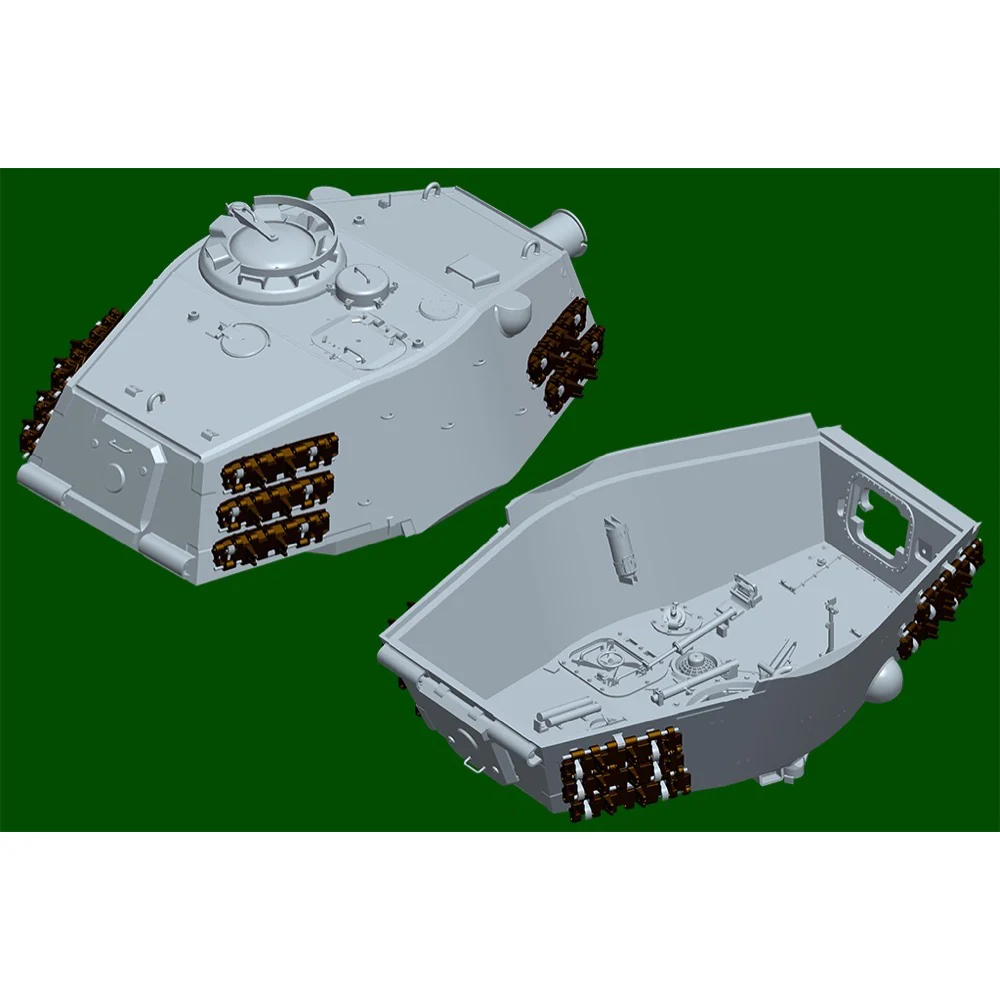
- Full interior details
- individual tracks links
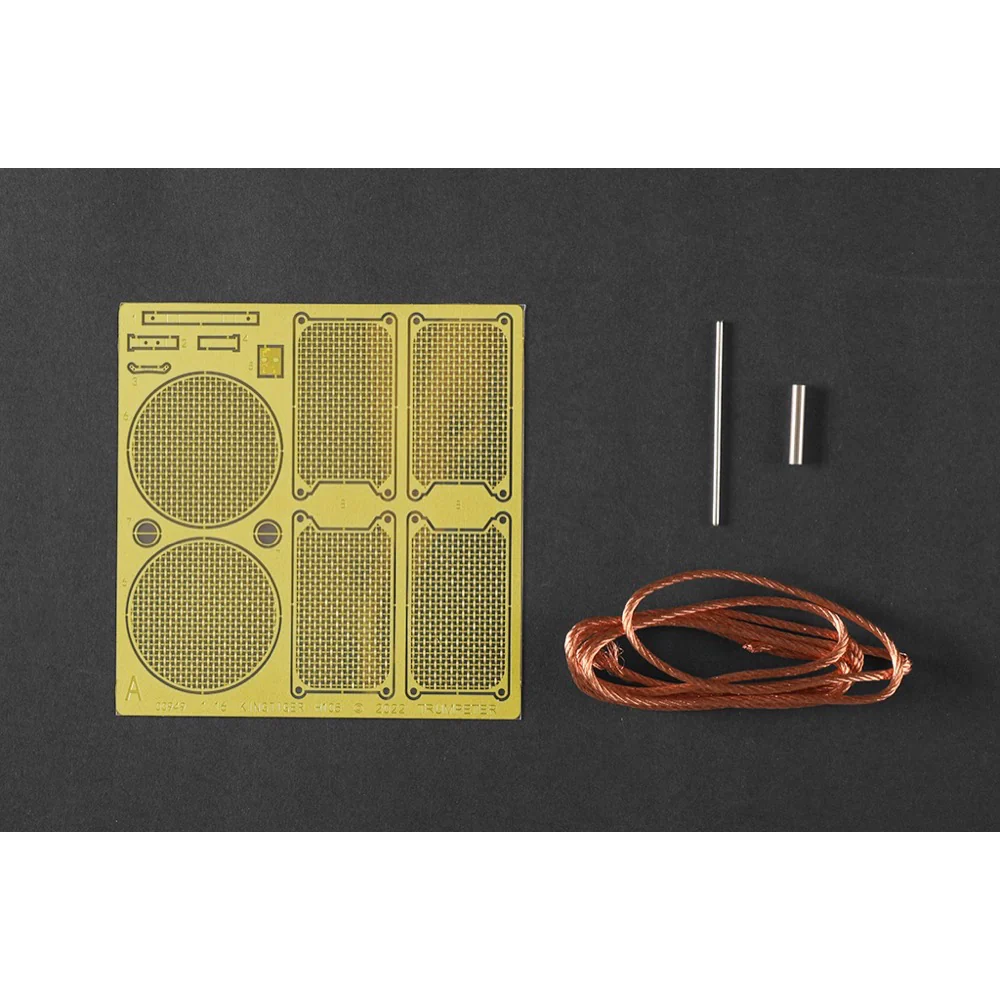
- Photo-eteched parts included
More Images




Trumpeter 1/16 Pz.Kpfw.VI Sd.Kfz.182 Tiger II (Henschel 105mm) Plastic Model Kit
In early October 1942, a development plan for the VK 45.03 was released, with two companies submitting their designs: Henschel and Porsche. Both used turret designs from Krupp, with the main differences being in the hull, transmission system, and suspension.
Henschel's version used a conventional hull design, with sloped armor similar to the Panther tank. The engine was rear-mounted, and like the Tiger I tank, it had nine staggered road wheels on each side, mounted on transverse torsion bars. To simplify logistics and maintenance, the wheels were overlapped in the same way as the Tiger I tank.
Henschel ultimately won the contract, and all Tiger II tanks were produced by the company. The vehicle had two turret designs. The early model's turret, because it was first installed on a Porsche concept vehicle, is often referred to as the "Porsche turret." In fact, this is a misconception; this turret was simply one of two initial Krupp designs. This turret had a rounded front and a significant slope on both sides. To accommodate the commander's cupola, there was a curved protrusion on the left side of the turret, making production very difficult. Fifty vehicles were fitted with this turret on Henschel-produced hulls. The later, more common "production" turret, sometimes called the "Henschel" turret, had a flat front without a shell loading opening (previously used on the earlier curved turret). The less sloped turret could perfectly accommodate the commander's cupola, and the edge protrusion was no longer needed.
The track system used in the "Tiger King" chassis is quite unique, using alternating track plates with guide teeth and track plates without guide teeth (also known as the "male and female" design). When the track grip is insufficient, anti-slip teeth can also be used.
The Tiger II tank arrived late in the war and was produced in very limited numbers. Like other German tanks, it used a gasoline engine. However, while the same engine was barely adequate for the lighter Panther and Tiger I tanks, it was somewhat inadequate for the Tiger II, a situation similar to that of other heavy tanks in World War II. Furthermore, its high fuel consumption resulted in a short driving range.
Features
- The kit consists of over 1500 parts
- the kit w/refined detail
- multi-slide molded lower hull and upper hull
- Full interior details
- individual tracks links
- Photo-eteched parts included
Product Information
Product Information
Shipping & Returns
Shipping & Returns
Description
In early October 1942, a development plan for the VK 45.03 was released, with two companies submitting their designs: Henschel and Porsche. Both used turret designs from Krupp, with the main differences being in the hull, transmission system, and suspension.
Henschel's version used a conventional hull design, with sloped armor similar to the Panther tank. The engine was rear-mounted, and like the Tiger I tank, it had nine staggered road wheels on each side, mounted on transverse torsion bars. To simplify logistics and maintenance, the wheels were overlapped in the same way as the Tiger I tank.
Henschel ultimately won the contract, and all Tiger II tanks were produced by the company. The vehicle had two turret designs. The early model's turret, because it was first installed on a Porsche concept vehicle, is often referred to as the "Porsche turret." In fact, this is a misconception; this turret was simply one of two initial Krupp designs. This turret had a rounded front and a significant slope on both sides. To accommodate the commander's cupola, there was a curved protrusion on the left side of the turret, making production very difficult. Fifty vehicles were fitted with this turret on Henschel-produced hulls. The later, more common "production" turret, sometimes called the "Henschel" turret, had a flat front without a shell loading opening (previously used on the earlier curved turret). The less sloped turret could perfectly accommodate the commander's cupola, and the edge protrusion was no longer needed.
The track system used in the "Tiger King" chassis is quite unique, using alternating track plates with guide teeth and track plates without guide teeth (also known as the "male and female" design). When the track grip is insufficient, anti-slip teeth can also be used.
The Tiger II tank arrived late in the war and was produced in very limited numbers. Like other German tanks, it used a gasoline engine. However, while the same engine was barely adequate for the lighter Panther and Tiger I tanks, it was somewhat inadequate for the Tiger II, a situation similar to that of other heavy tanks in World War II. Furthermore, its high fuel consumption resulted in a short driving range.
Features
- The kit consists of over 1500 parts
- the kit w/refined detail
- multi-slide molded lower hull and upper hull
- Full interior details
- individual tracks links
- Photo-eteched parts included