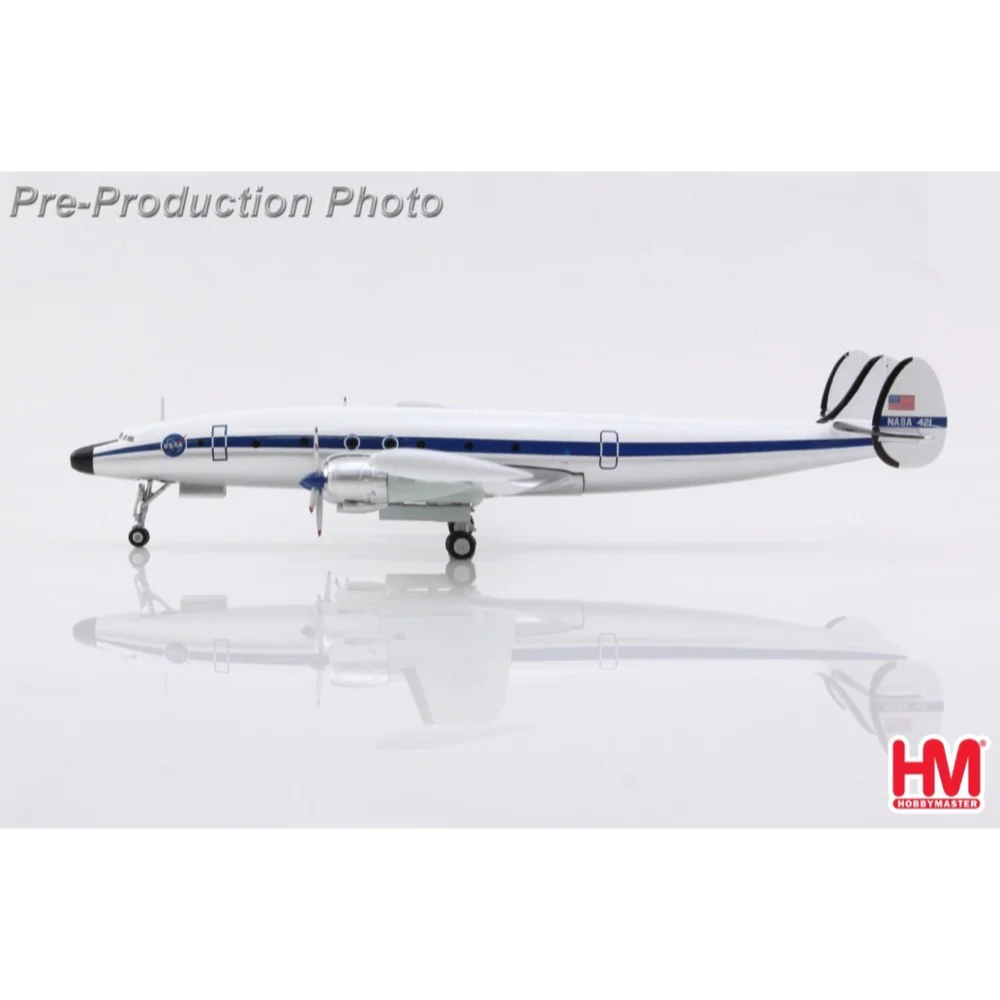
Hobby Master 9025 1/200 Lockheed C-121G NASA NASA 421 Maryland 1969
As a response to the Douglas DC-4, Lockheed developed the Constellation. As more powerful engines were developed the Constellation was stretched 21 feet and improvements made resulting in the L-1049 Super Constellation. The development of the L-1049G improved range with the addition of wing-tip tanks. The more powerful engines made it necessary to use large propellers that required the aircraft to sit quite high off the ground. A triple tail was developed because the size of a single tail would have been too large to fit in any hangar.
More Images
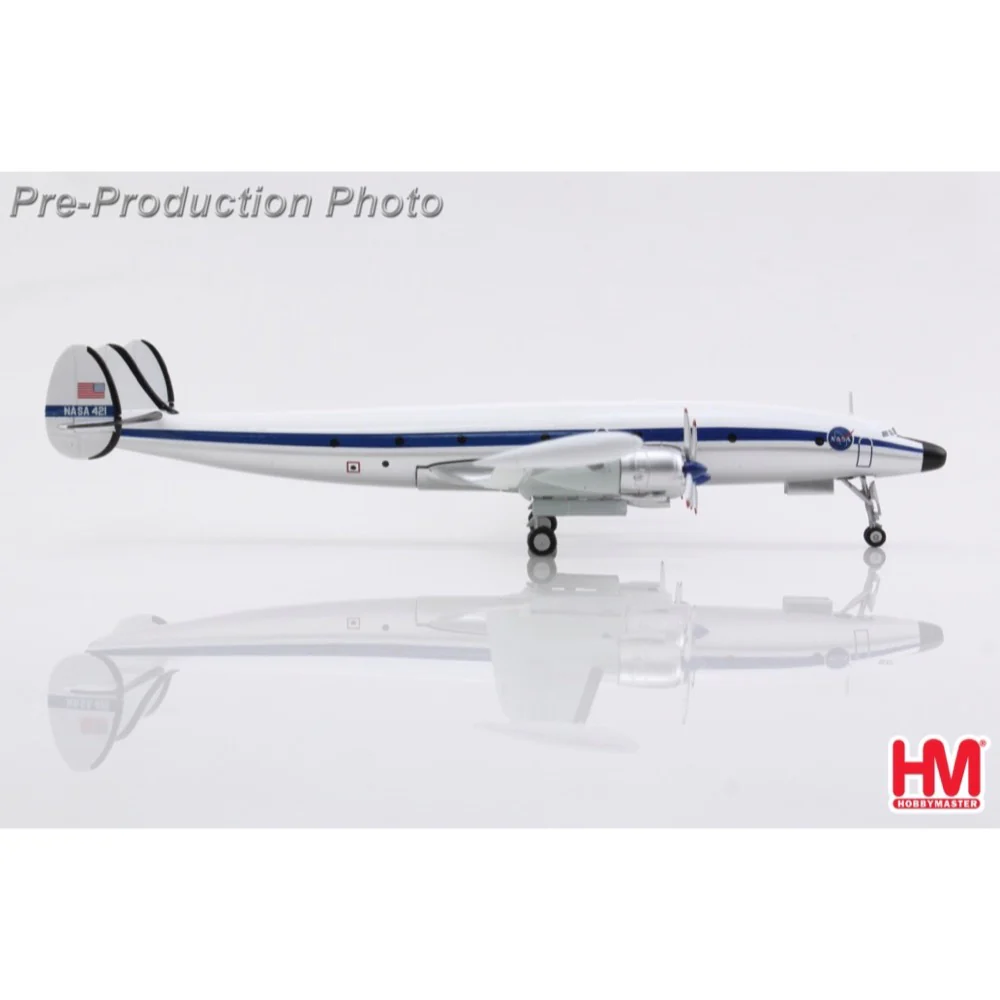
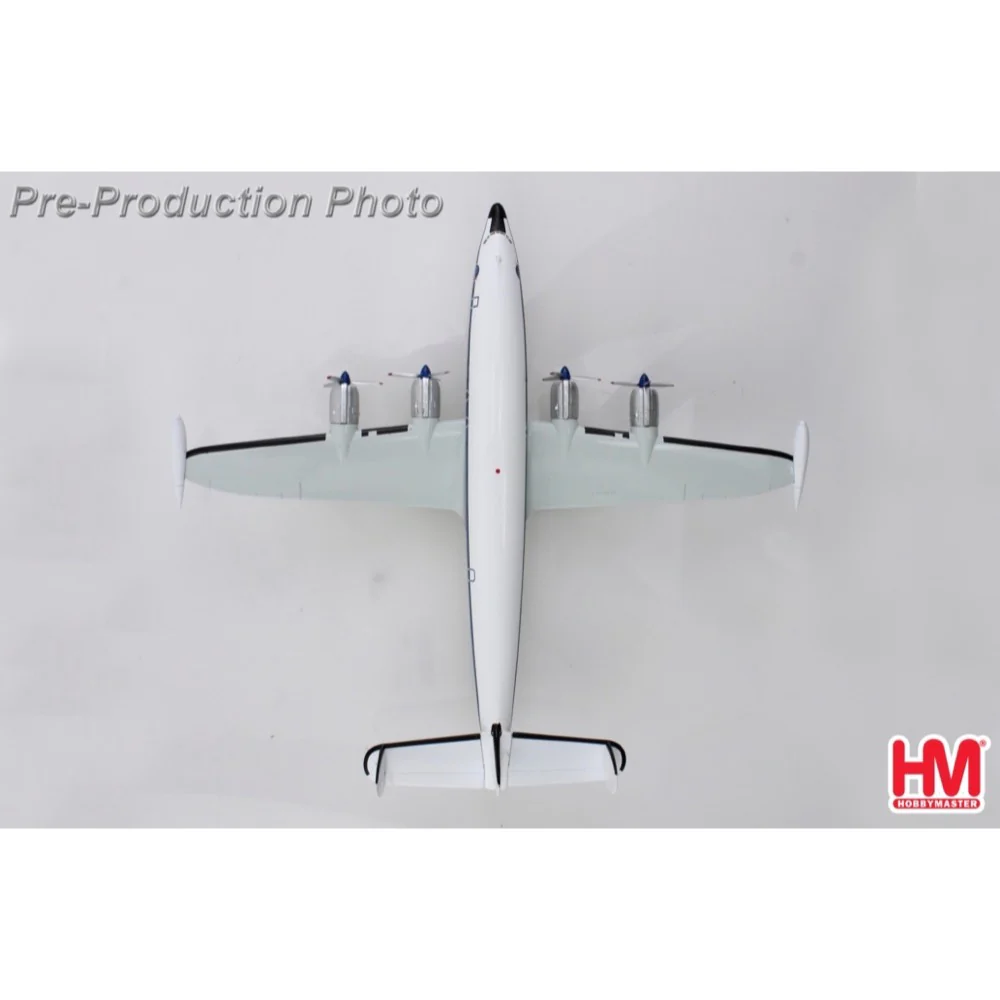
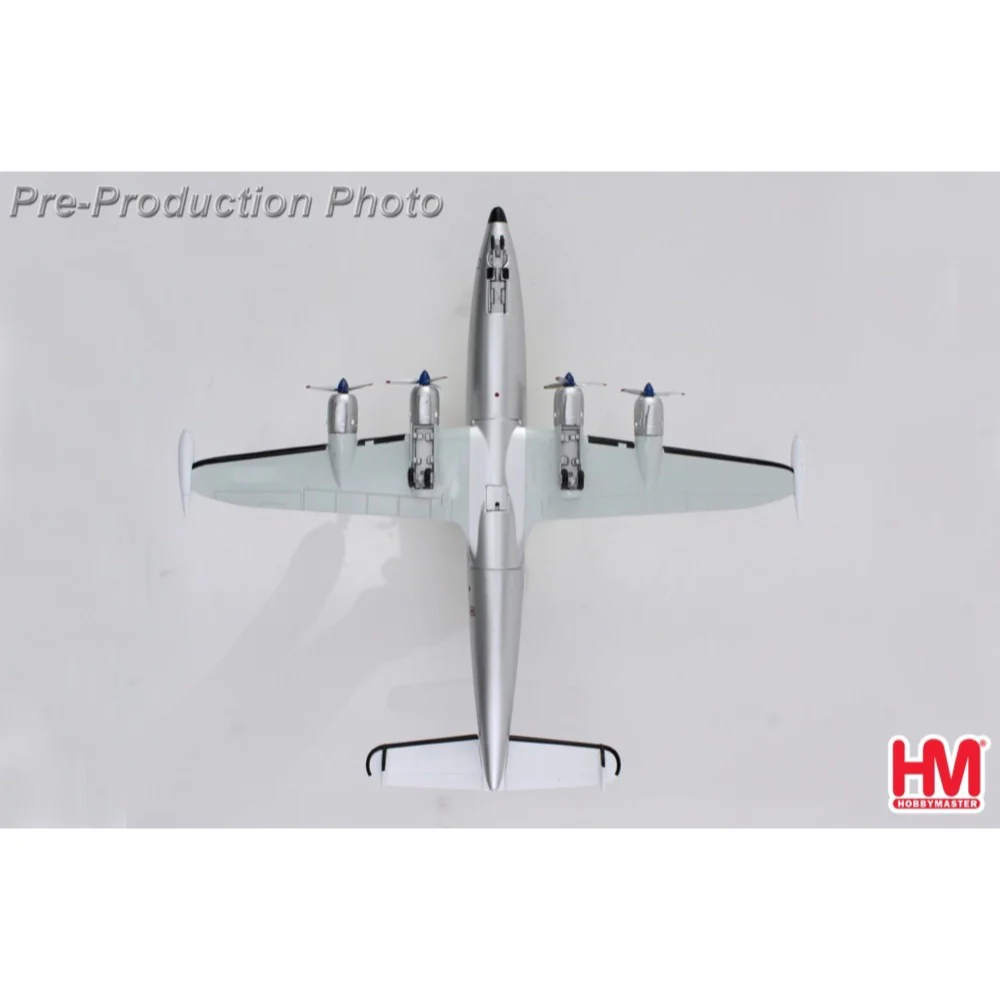
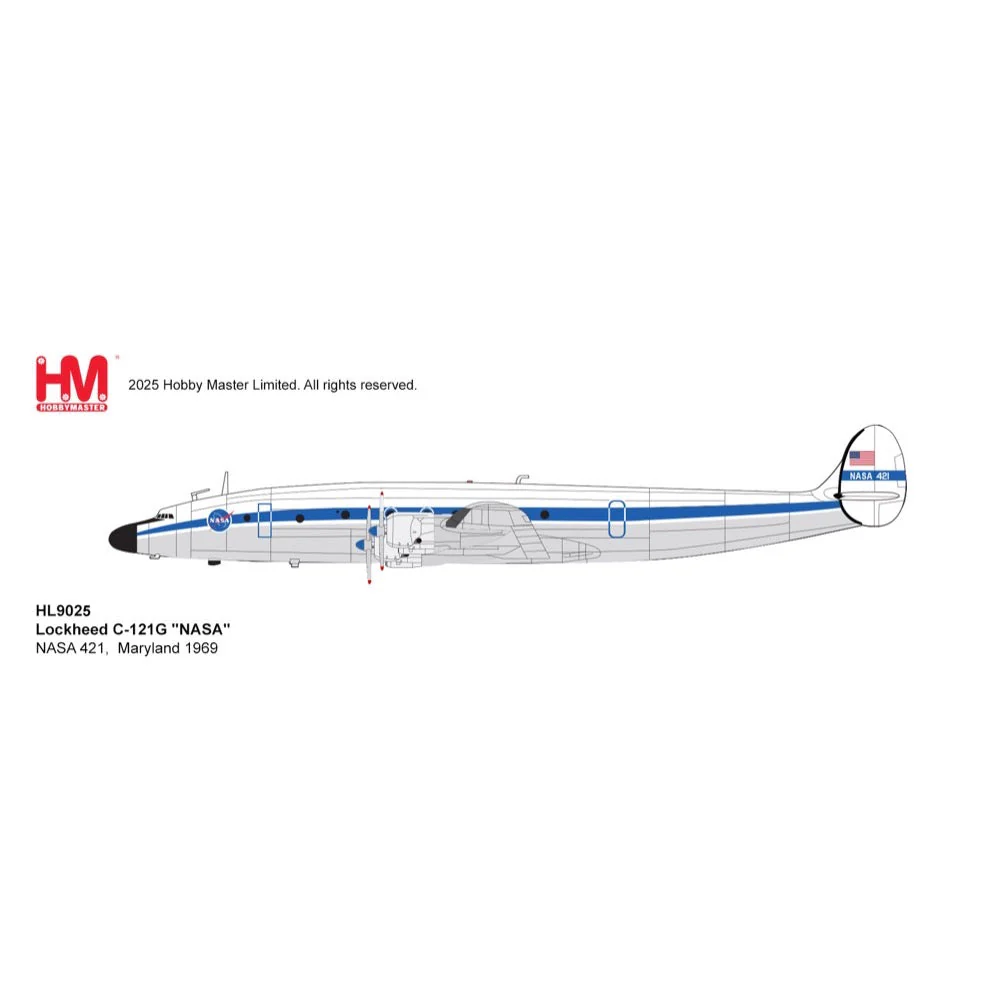
Hobby Master 9025 1/200 Lockheed C-121G NASA NASA 421 Maryland 1969
As a response to the Douglas DC-4, Lockheed developed the Constellation. As more powerful engines were developed the Constellation was stretched 21 feet and improvements made resulting in the L-1049 Super Constellation. The development of the L-1049G improved range with the addition of wing-tip tanks. The more powerful engines made it necessary to use large propellers that required the aircraft to sit quite high off the ground. A triple tail was developed because the size of a single tail would have been too large to fit in any hangar.
Product Information
Product Information
Shipping & Returns
Shipping & Returns
Description
As a response to the Douglas DC-4, Lockheed developed the Constellation. As more powerful engines were developed the Constellation was stretched 21 feet and improvements made resulting in the L-1049 Super Constellation. The development of the L-1049G improved range with the addition of wing-tip tanks. The more powerful engines made it necessary to use large propellers that required the aircraft to sit quite high off the ground. A triple tail was developed because the size of a single tail would have been too large to fit in any hangar.